
Last updated November 23, 2026
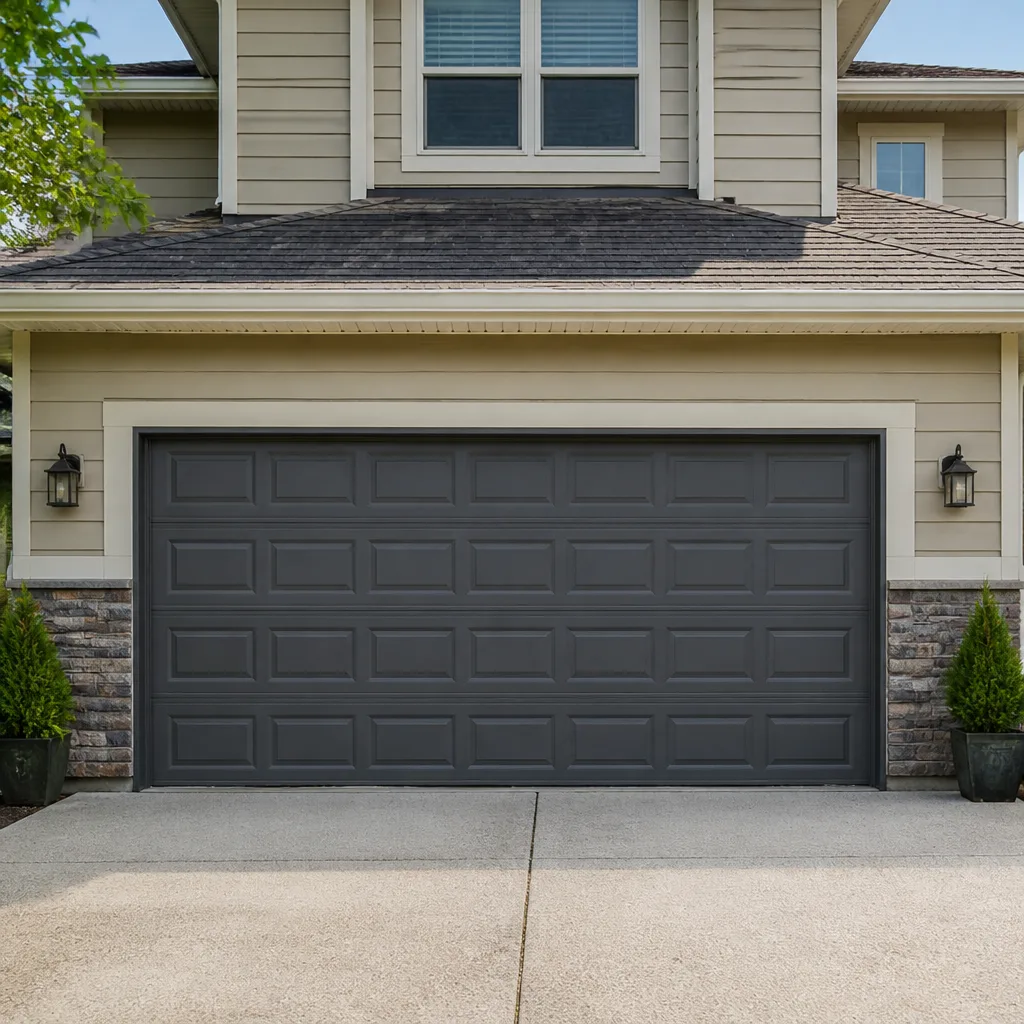 Raised-panel steel
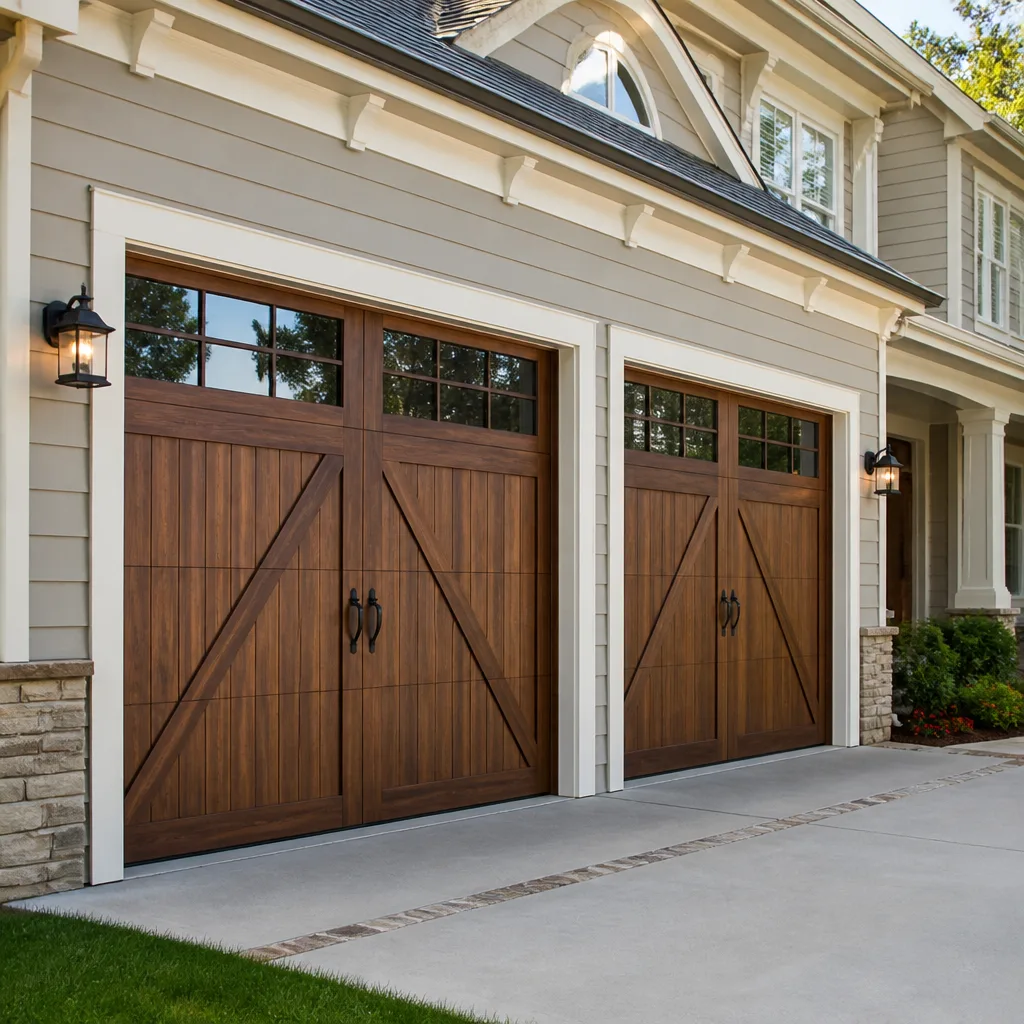 Carriage house
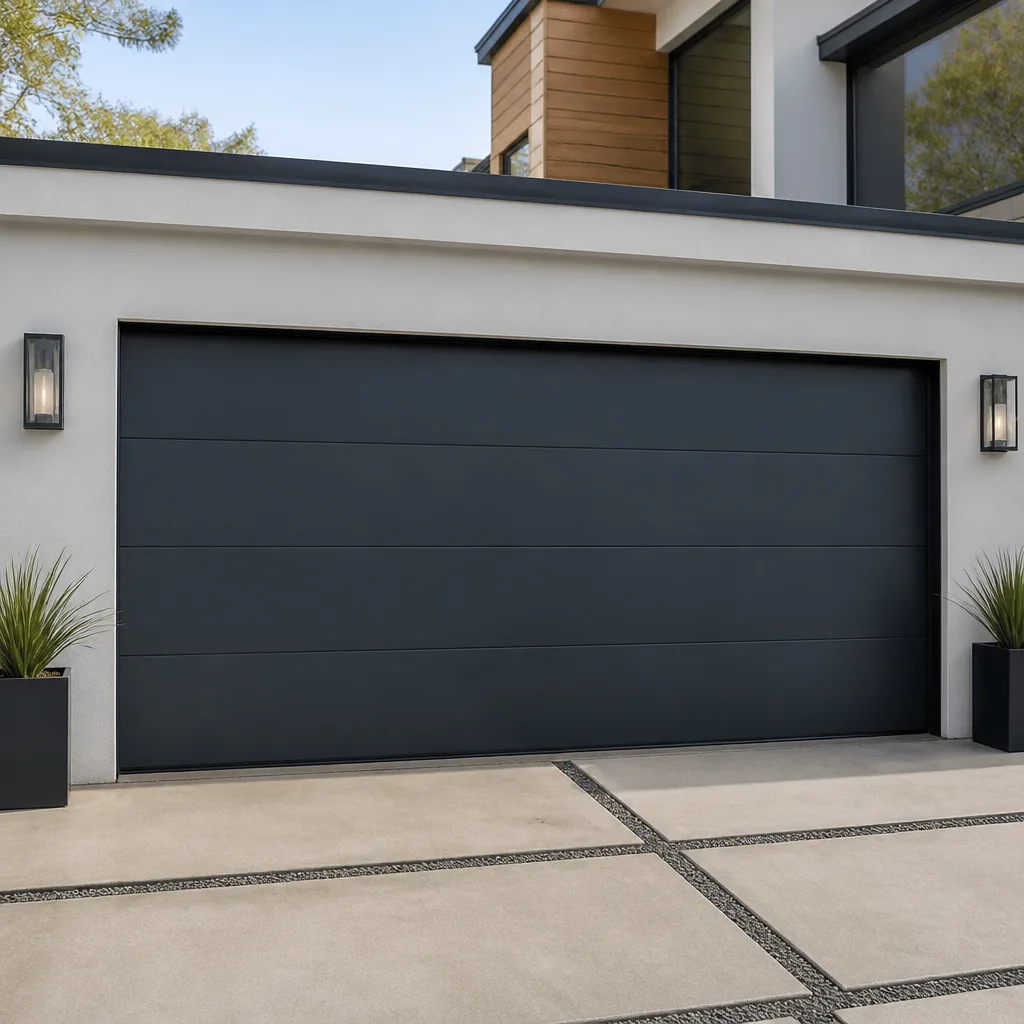 Modern flush
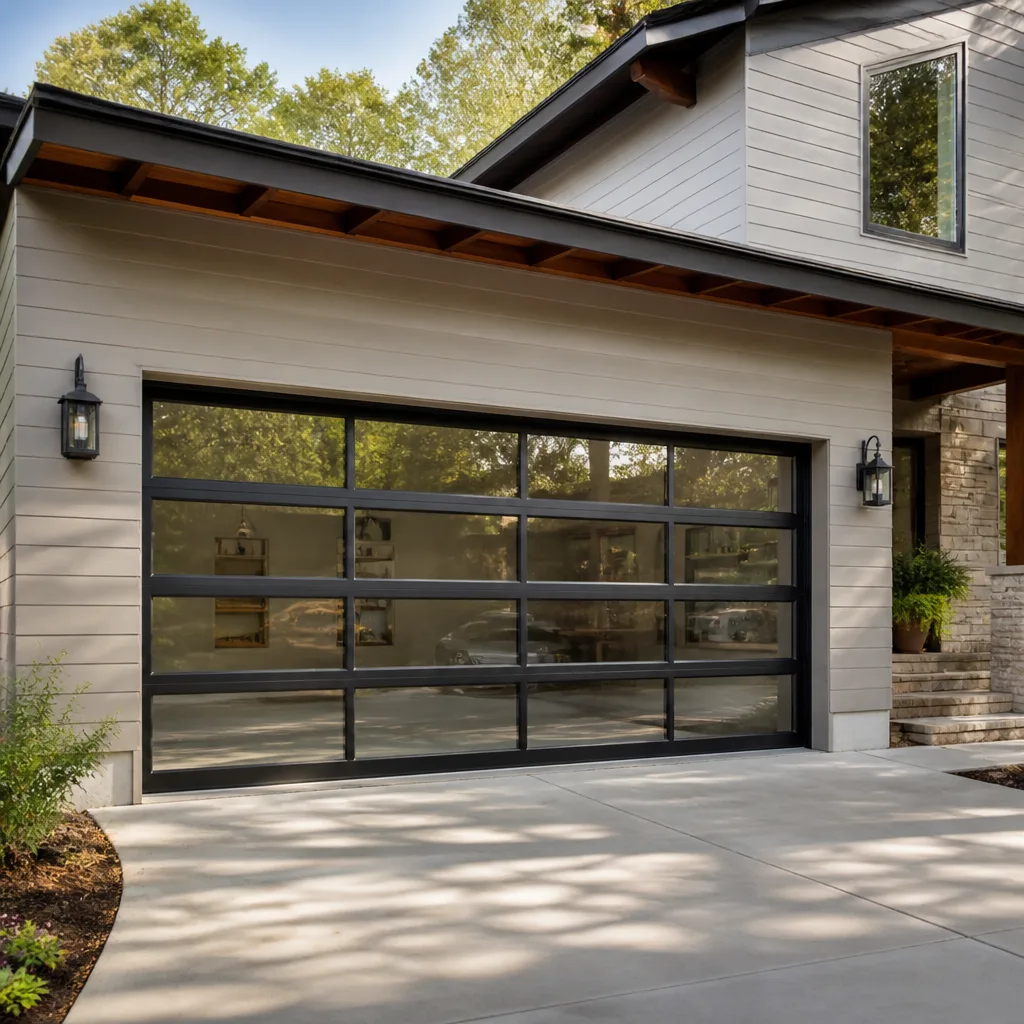 Full-view glass
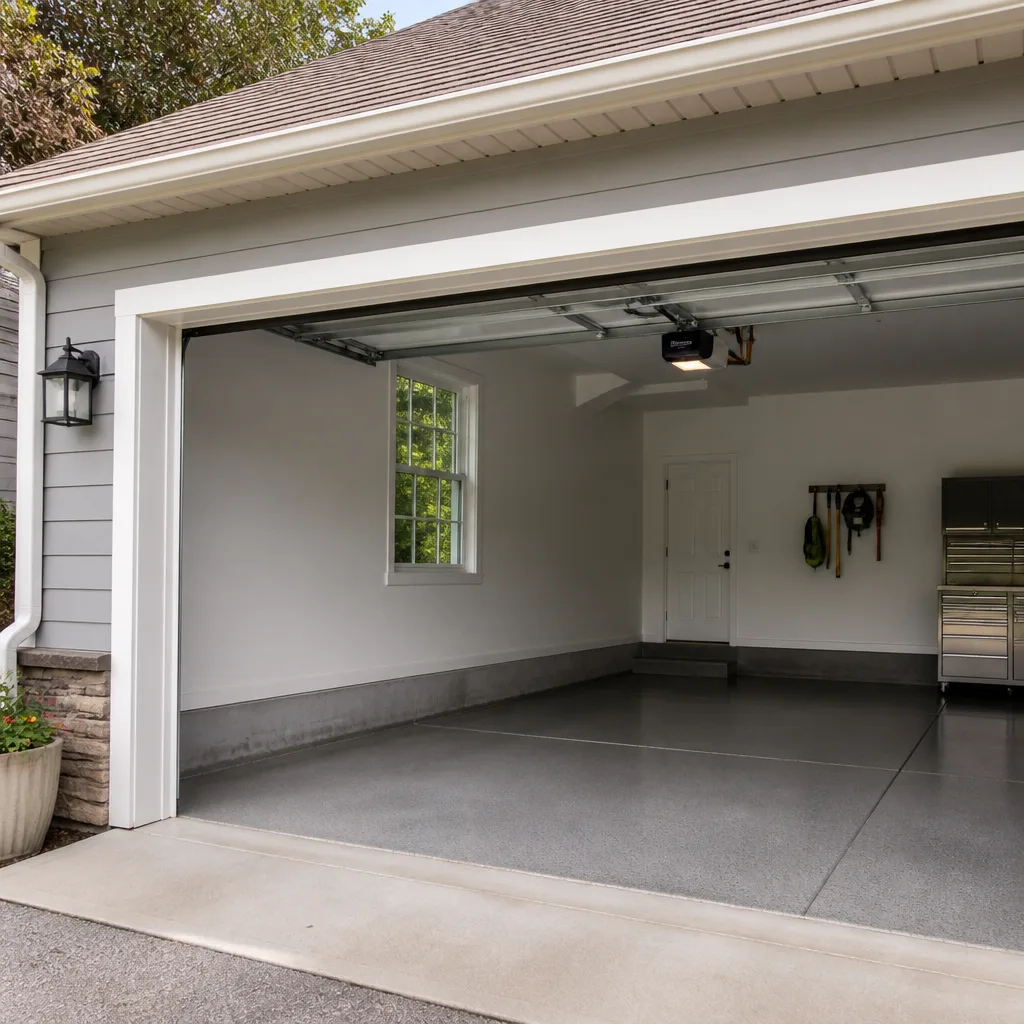 LiftMaster openers
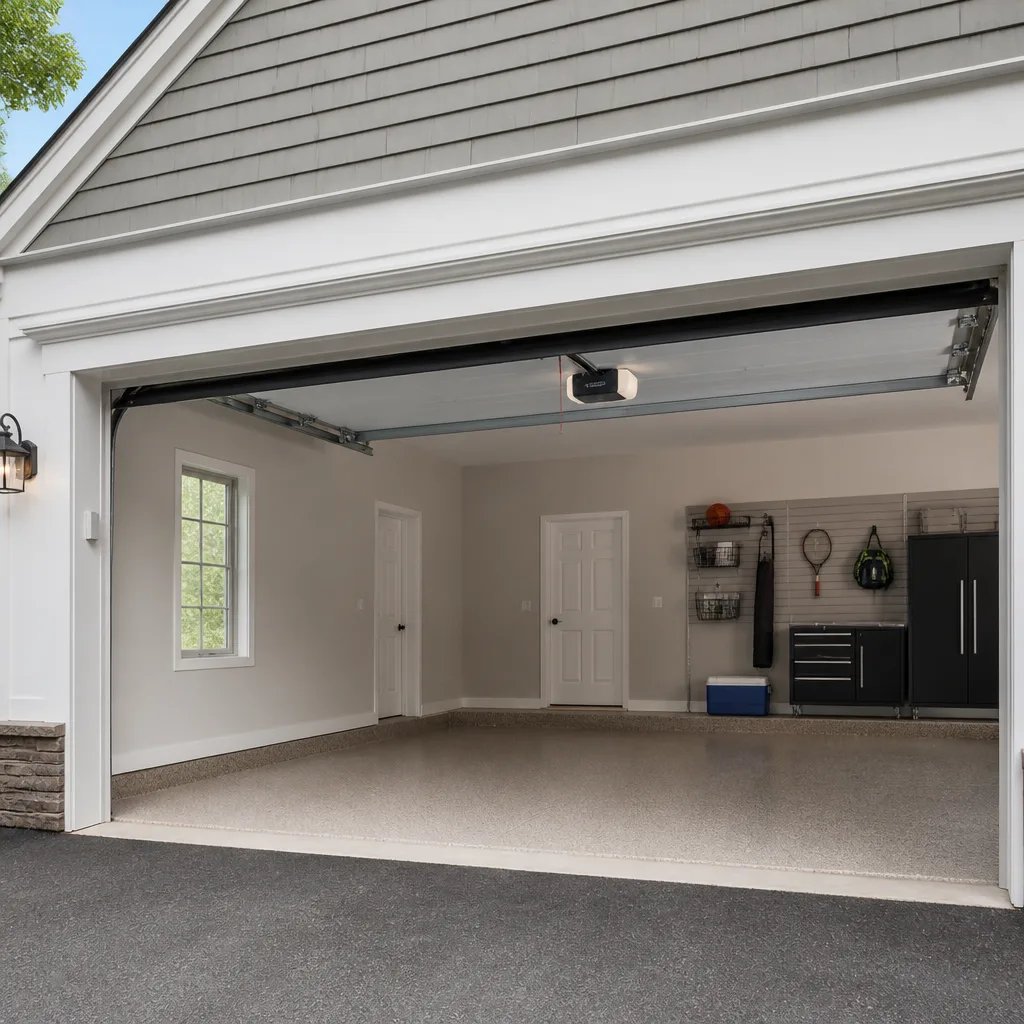 Chamberlain openers
Full 25-point door and opener safety check with every visit - springs, cables, rollers, tracks, and your LiftMaster or Chamberlain opener included
You get a price before we start. It does not change when the pro arrives.
Get your free estimateGarage Door Permits, Codes & Inspections in Canton, GA: What You Need to Know
Most Canton homeowners assume a garage door is like a mailbox – swap it out, nobody cares. That assumption gets expensive at closing. A full door replacement changes the exterior footprint and structural attachments of a home, and in Cherokee County that work can fall under building permit rules just like a deck or a room addition. Skip the permit and you can end up with an unpermitted improvement on your property record that surfaces years later during a sale or refinance, often when you have the least time to fix it. This guide walks through when Canton garage door work needs a permit, how to check your own property’s permit history, what a code-compliant installation actually involves, and how to confirm a contractor pulled the paperwork they said they did. We’ll keep it practical and specific to how things work here.
Quick Answer
A like-for-like garage door replacement in Canton usually does not require a building permit, but a new door in a new opening, a change to the structural opening size, or anything that alters the framing or header typically does. Cherokee County governs permitting for unincorporated Canton, while the City of Canton handles its own jurisdiction, and the exact trigger depends on which one your address falls under. Always confirm with the Cherokee County Building Department or the City of Canton before work begins, and always get the permit status in writing.
Styles & brands we work with
- Raised-panel steel
- Carriage house
- Modern flush
- Full-view glass
- LiftMaster openers
- Chamberlain openers
Table of Contents
- When does Cherokee County require a permit for garage door work?
- How to check permit status on your Canton property
- What a code-compliant garage door installation involves
- The liability exposure of an unpermitted garage door
- How to verify a contractor actually pulled the permit
- What happens during a garage door inspection
- Repairs, springs and openers: what needs a permit (and what doesn’t)
- Common mistakes to avoid
When does Cherokee County require a permit for garage door work?
The short version: replacement of an existing door in the same opening usually does not need a permit, while anything that changes the opening, the structure around it, or the door’s function in the building envelope usually does. Cherokee County’s building department applies its permitting rules based on the scope of work, so the question is not “is it a garage door?” but “what is being changed?”
Here’s how the categories typically break down:
- Like-for-like replacement: Same opening size, same header, same track layout, same door type. This is the most common Canton scenario when a door is simply worn out, dented, or out of style. In most cases this is treated as a repair or minor alteration and doesn’t require a permit, but you should confirm with the county or city for your specific address.
- New installation in a new opening: Adding a garage door where none existed, or converting a wall section into a garage door opening. This creates a new structural opening and almost always requires a permit.
- Structural opening modification: Widening or heightening an existing garage door opening, replacing or modifying the header, moving the opening, or altering the framing. This is structural work and requires a permit.
- Changing the door type in a way that affects the building envelope: Switching from a non-insulated door to an insulated one, or changing how the garage is conditioned (for example, making a conditioned garage out of an unconditioned one), can trigger different requirements. Ask the building department.
Homeowners in Canton neighborhoods like Bridgemill, Great Sky, and Harmony on the Lakes run into this most often when they upgrade from a builder-grade door to something with a different track configuration or a different panel height. If the new door fits the existing opening and uses the existing tracks, you’re generally in like-for-like territory. If the new door requires new tracks, new brackets, or a new header, you’ve crossed into permit territory more often than not.
The safest approach: call the Cherokee County Building Department with your address and describe the work in plain terms. Ask them directly, “Does this require a permit?” Get the answer in writing if you can, and keep it with your home records. If your house is inside Canton city limits, call the City of Canton instead – they run their own permitting process.
How to check permit status on your Canton property
You can check whether a garage door replacement at your Canton address was permitted by searching the permit records for your jurisdiction – Cherokee County for unincorporated addresses, City of Canton for in-town addresses. The search is free, and it’s the same lookup a buyer’s agent will run when your house goes on the market. Better you find a gap now than a buyer’s inspector finds it later.
Here’s the process we recommend, step by step:
- Identify your jurisdiction. Look at your property tax record or your water bill. If it says Cherokee County, you’re unincorporated. If it says City of Canton, you’re in the city. This matters because the two run separate permit systems.
- Go to the permit search portal. Cherokee County publishes an online permit search through its community development department. The City of Canton runs its own permitting portal. Both allow searches by address, parcel number, or permit number.
- Search by address, not by contractor name. Contractor names change, and a permit may have been filed under a company that has since dissolved. Address-based search is the reliable method.
- Look for permit types related to the work. A garage door replacement, if permitted, would typically show up as a building permit for alteration or structural work. Search the date range around when the work was done.
- Check the inspection status. A permit that was pulled but never inspected or finaled is still a problem. Look for a “final inspection passed” status on the record.
- Save a copy. Screenshot or download the permit record. If you’re refinancing or listing, your agent or lender will want it.
If you find nothing in the system and you know the door was replaced, you have a choice: leave it alone and hope it never comes up, or pursue a retroactive permit. The second option is almost always better when you’re planning to sell or refinance in the next few years. Retroactive permitting requires an inspection of the existing installation and, in some cases, remediation work to bring it up to current code. That’s where a licensed local professional makes the difference – the inspector is checking the actual installation, not the paperwork.
The bottom line on status checks: do it now, and do it before a lender or a buyer does it for you. A clean permit record on a Canton garage door repair experts project is one of those boring things that saves real stress at closing.
What a code-compliant garage door installation involves
A code-compliant garage door installation in Canton means the door is attached correctly, the springs and tracks are rated for the door’s weight, the opening is structurally sound, and the door meets the wind and energy provisions that apply to your home. Georgia’s residential building code sets the baseline, and the county or city inspector verifies the installation against the permitted scope.
Here’s what actually gets checked and why it matters:
- Wind load rating. Georgia’s residential code includes wind provisions for garage doors, and Canton sits in a region where those provisions apply. The door and its reinforcement must be rated for the design wind speed for the area. A builder-grade door with no wind rating can fail inspection if the permit is for a new installation in a new opening.
- R-value and the conditioned garage question. If the garage is part of the conditioned space of the home (some newer Canton builds have insulated, conditioned garages), the door needs to meet energy code requirements for R-value. If the garage is unconditioned, those requirements typically don’t apply. This is a common point of confusion, so ask the inspector which category your home falls into.
- Structural attachment. The header above the opening, the jambs, and the brackets that hold the tracks and springs must all be sound. An inspector will look for proper attachment, correct fastener spacing, and no signs of compromised framing.
- Safety devices on the opener. If the permit includes an opener installation, the door must have functioning photoelectric sensors and, for older units, the correct safety reverse settings. This is a life-safety item, not a paperwork item.
- Spring and track rating. Springs must be rated for the weight of the door. A mismatched spring can shorten the life of the opener and, in the worst case, fail catastrophically. This is the single most common reason a garage door repair call turns into a full replacement – and the reason spring work should never be a DIY project.
One thing to keep in mind about Canton’s climate: summers here are hot and humid, and the garage typically runs 10 to 20 degrees hotter than the outside air on a July afternoon. That heat cycles the springs and stresses the seals and weatherstripping on an annual basis. An installation that was inspected and permitted under current code is more likely to hold up through a decade of those swings than an installation that was never looked at by an inspector. The code requirements exist for structural and safety reasons, but they also produce a sturdier installation.
If you’re replacing a door that has failed, our technicians work on the major brands you’re likely to have – Clopay, Amarr, Wayne Dalton, Raynor and others – and can tell you during a free estimate whether the correct replacement is a like-for-like swap or something that needs a permit. That’s a conversation worth having before you buy a door.
The liability exposure of an unpermitted garage door
An unpermitted garage door creates two separate problems: a real estate problem and a liability problem. The real estate problem is that a buyer’s lender or inspector may flag the work as unpermitted and hold up closings or refinances until it’s resolved. The liability problem is that if the door fails and someone is injured, your homeowner’s insurance may look at whether the installation complied with code as part of its claim review.
Here’s how homeowners typically experience this:
- On a sale. A buyer’s inspection or a title search turns up a permit gap, and the sale gets delayed while you file a retroactive permit and pass inspection. The work itself may be fine, but the process takes time you weren’t planning for.
- On a refinance. Lenders increasingly require permit records to be clean before they’ll fund. A garage door replacement that shows up on the record without a permit is a red flag the underwriter may ask you to resolve.
- After an injury. If a garage door or opener fails and causes injury, the insurance claim review will look at the installation and maintenance record. Code compliance is part of that review. An unpermitted installation, or one done without following the manufacturer’s requirements, can complicate the claim.
- For a future owner. If you sell the home and the next owner gets injured by the door, the unpermitted installation may come back to the seller as a disclosure issue.
The good news is that the fix is straightforward. A retroactive permit and an inspection through the Cherokee County or City of Canton building department resolves the record issue. The inspection itself is usually quick if the installation is sound, and if it’s not, a licensed professional can bring it into compliance. The worst thing to do is ignore it, especially if you’re planning to sell or refinance in the next couple of years.
We’ve seen this pattern in Canton more than once: a homeowner calls us about a sagging door or a noisy opener, and during the estimate we discover the door was replaced a few years ago with no permit on record. That changes the conversation. Sometimes the fix is just a document. Sometimes it’s a reinstallation. Either way, better to know.
How to verify a contractor actually pulled the permit
You can verify that a contractor pulled the permit for your garage door work by searching the permit record for your address and checking that the permit number, contractor name, and inspection status all match what the contractor told you. A verbal “we’ll pull the permit” is not verification. A permit number in your hand is.
Here’s the verification process, from before you sign to after the work is done:
- Ask for the permit number before work starts. If the job requires a permit, the contractor should be able to tell you the number before the first day of work. If they can’t produce it, that’s a warning sign.
- Look up the permit in the county or city portal. Search by your address. The permit should show your address, the contractor’s name, the scope of work, and the permit type. If the scope doesn’t match what’s being done, ask why.
- Check that the permit is in the contractor’s name, not yours. Permits are typically pulled by the licensed contractor performing the work. If the permit is in your name as the homeowner, that means you’re acting as the general contractor, which shifts liability to you.
- Confirm the inspection schedule. Ask when the inspection is scheduled and who will be there. The inspector needs to see the installation before it’s covered up or finaled.
- Get the final inspection record after the work is done. Ask for a copy of the passed final inspection. If the contractor can’t produce one, the permit was never finaled, and you have a record problem.
- Compare the permit record to the finished work. If the permit says “like-for-like replacement” but the work involved a new header, the record is wrong, and that’s a problem for the next person.
We’ve seen enough homes in Canton where the contractor said they’d pull the permit but didn’t, that we recommend verifying the record every time, no matter who does the work. It takes ten minutes and saves months of aggravation. It also gives you a paper trail that’s useful if you ever sell the house or file an insurance claim.
If you’re planning a full replacement and want a second opinion on whether it needs a permit, a quick conversation with the building department and a licensed contractor is worth the effort. For anything that needs repair rather than replacement, our garage door repair team can tell you during a free estimate whether the scope crosses into permit territory.
What happens during a garage door inspection
A garage door inspection for permitting purposes is a code-compliance check on the installation, not a general maintenance tune-up. The inspector is verifying that the door, springs, tracks, and opener are installed according to the permitted scope and the applicable code provisions for your home. The inspection itself is usually short if the installation is correct.
Here’s what the inspector typically reviews:
- Door attachment. The door is properly fastened to the framing, with correct fasteners and spacing. No missing brackets, no improvised attachments.
- Structural opening. If the permit covers a new or modified opening, the inspector checks the header, jambs, and framing for proper sizing and attachment.
- Wind rating. The door and its reinforcement match the wind load requirements for the design wind speed in the area.
- Energy code (if applicable). If the garage is conditioned, the door’s R-value meets the energy code requirements. If not, the inspector confirms the garage is unconditioned.
- Opener safety devices. Photoelectric sensors and safety reverse functions are present and functioning.
- Spring and track rating. Springs are rated for the door’s weight and the tracks are correctly installed and secured.
- Permit scope match. The work performed matches the scope of the permit. If the door was replaced with a different size door, or with new tracks when the permit was for a like-for-like swap, the inspector will flag it.
If the inspection fails, the contractor is usually the one who corrects the work and schedules a re-inspection. That’s one reason to have the permit in the contractor’s name – they carry the responsibility for getting it right. If you pulled the permit yourself, you carry that responsibility, which is one more reason to let a licensed contractor handle it.
One Canton-specific note: the county inspection schedule can get tight in spring, when a lot of exterior work gets done at once. If your permit was pulled and the work is done, don’t wait for the contractor to call – follow up on the inspection date. The final inspection is the last step, and it’s the one homeowners forget.
Repairs, springs and openers: what needs a permit (and what doesn’t)
Most garage door work does not require a permit – repairs, spring replacements, opener swaps, and like-for-like door replacements are generally permitted-exempt. The permit question really only bites on structural changes, new openings, and installations that touch the building envelope. That’s a useful distinction because it means the vast majority of Canton service calls are straightforward.
Here’s how the common work breaks down:
- Spring replacement. No permit. Springs are a mechanical repair, not a structural change. They are, however, the most dangerous repair in the trade and should only be done by a trained technician.
- Opener repair or replacement. No permit in most cases. If the opener is part of a permitted installation, the installation scope may include it, but a standalone opener swap is a repair.
- Cable, roller, and hinge replacement. No permit. These are maintenance repairs.
- Panel replacement. Usually no permit if the door stays in the same opening and the replacement panel matches the original. If the panel is a different size or requires new tracks, that can cross the line.
- Like-for-like door replacement. Usually no permit, but confirm with the building department.
- New opening, widened opening, or header modification. Permit required.
Spring work is where we spend the most time on safety conversations. Torsion springs are under extreme tension, and a spring that fails while someone is working on it can cause serious injury. We don’t give step-by-step instructions for spring work to homeowners, and we don’t recommend trying it. What we do is diagnose the spring, confirm the right replacement, and install it with the correct tools and winding procedures. If you’re hearing a loud bang from the garage or noticing the door won’t lift more than a foot, that’s a spring or cable problem – stop using the door and call.
For opener-specific issues, our garage door opener repair service covers the common makes, including LiftMaster and Chamberlain units, and we handle the safety sensor calibration that most homeowner repairs miss. For spring-specific problems, garage door spring repair is a dedicated service with its own safety protocol. And if a door is beyond repair, we can quote a full replacement that accounts for the permit question from the start.
Common Mistakes to Avoid
- Taking “we never pull permits for doors” at face value. That statement is only accurate for like-for-like replacements. If the work involves a new opening or structural change, the statement is wrong, and the homeowner carries the consequence.
- Assuming a builder-grade door is permit-exempt forever. If you replace a builder-grade door with a heavier insulated door and new tracks, the scope may cross into permit territory. Ask before you buy.
- Not checking the permit record before listing your Canton home. The buyer’s agent will run the permit search. Run it first and fix what shows up.
- Letting the contractor pull the permit in your name. If the permit is in your name, you’re the general contractor of record. That shifts inspection and correction responsibility to you.
- Confusing a pulled permit with a finaled permit. A permit that was pulled but never inspected or finaled is still a record problem. Ask for the final inspection record.
- Trying spring work as a DIY project. Springs are under extreme tension and can cause serious injury. This is the one garage door repair that should never be a homeowner project.
- Skipping the inspection because the door “looks fine.” An inspection verifies the installation against code, not just the appearance. A door that looks fine can still fail on wind rating or opener safety devices.
See the difference
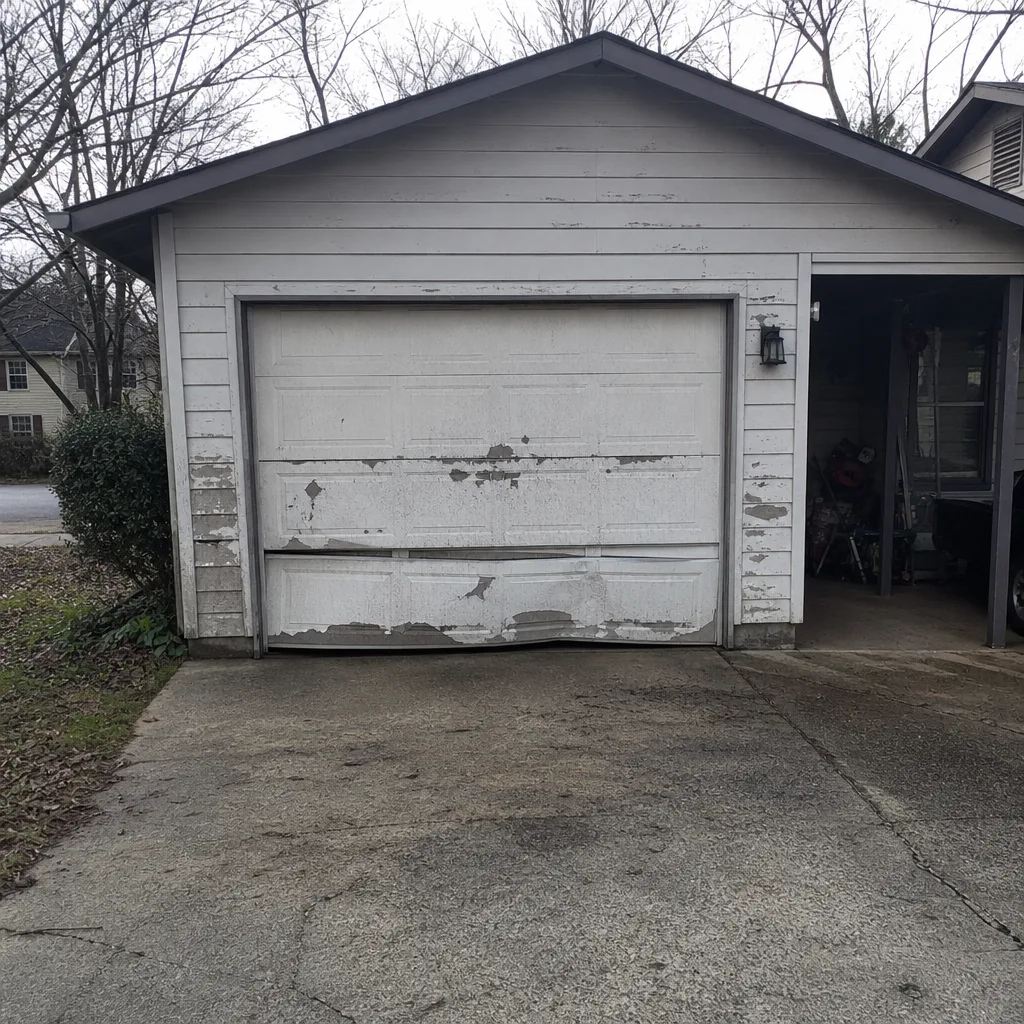 Before
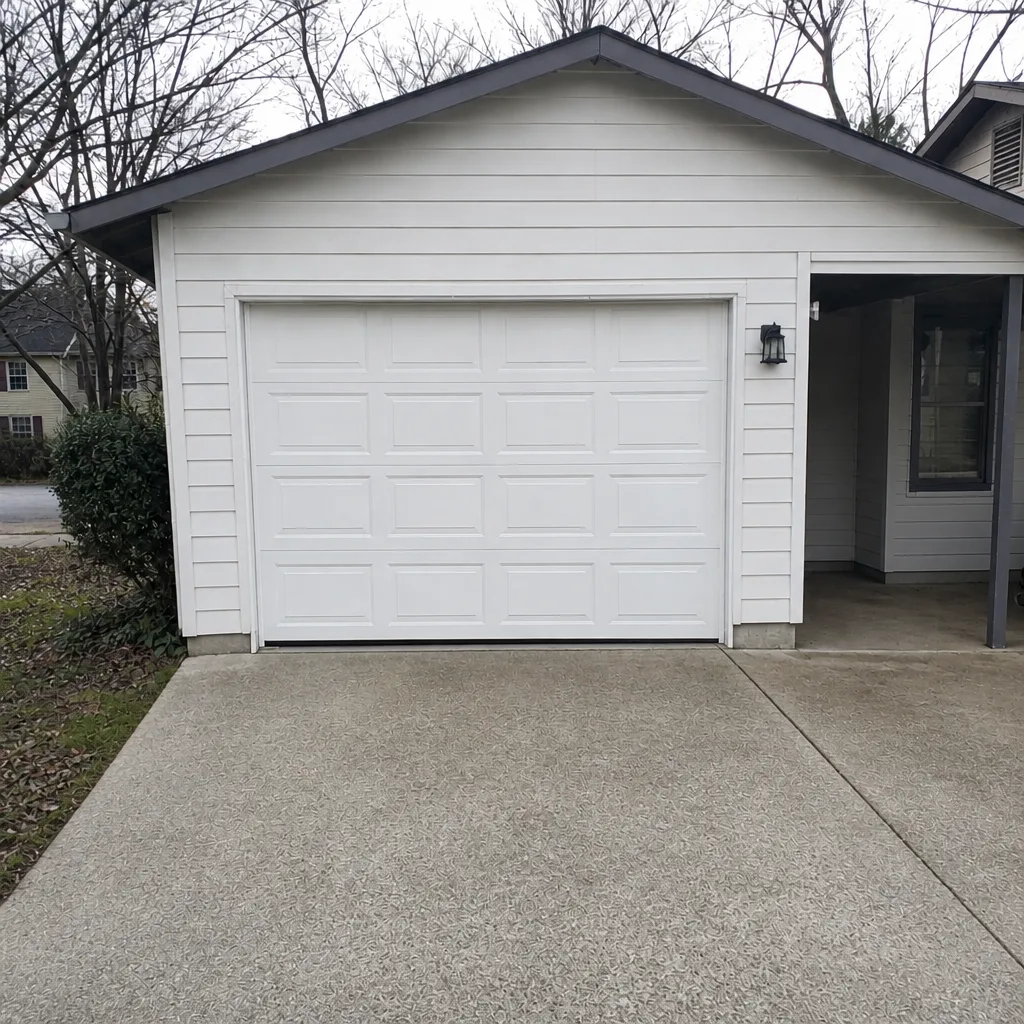 After
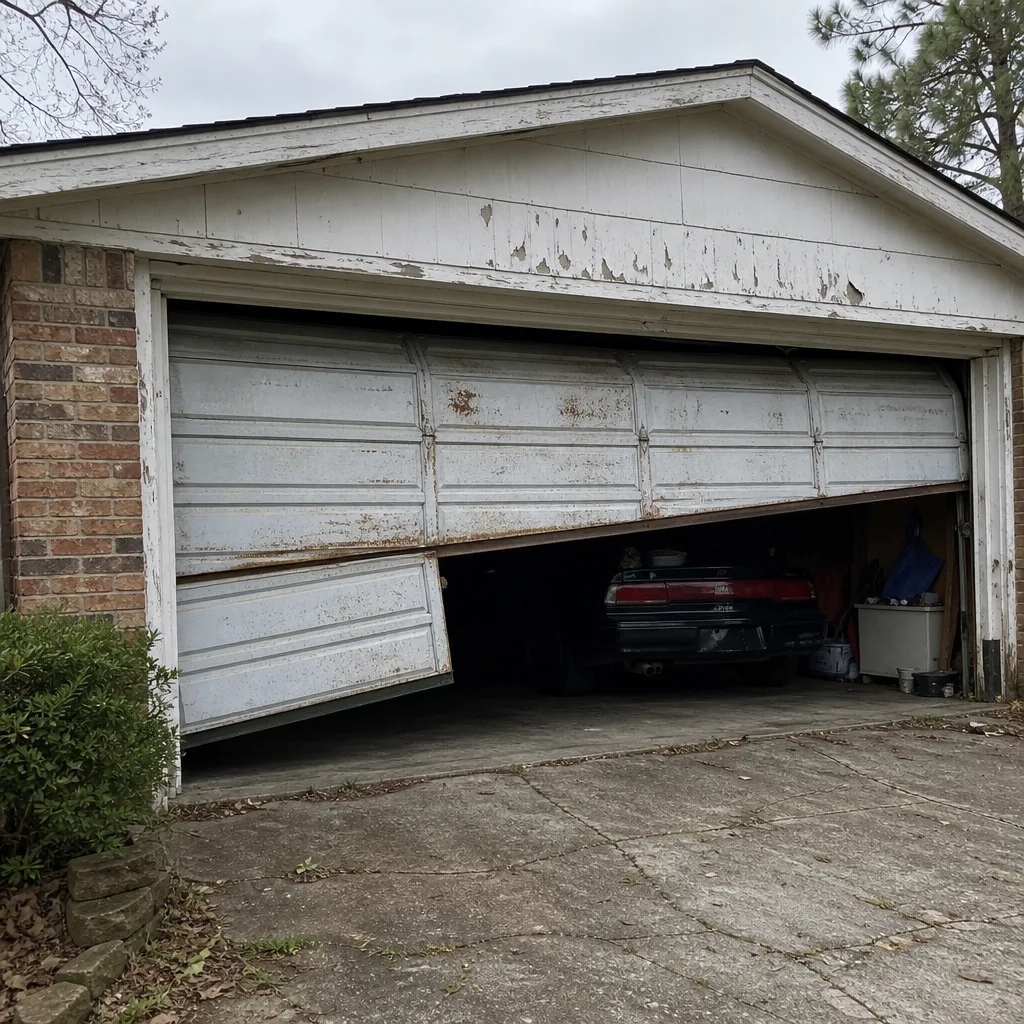 Before
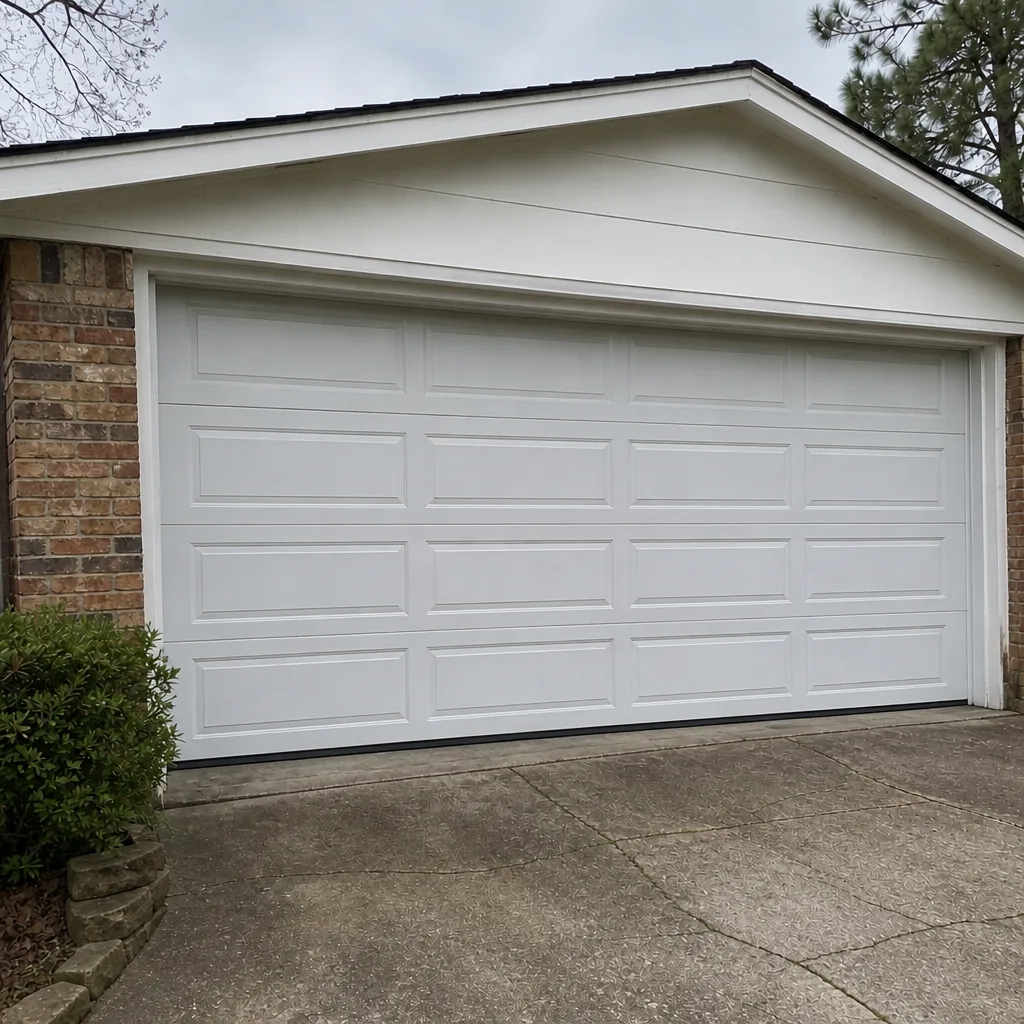 After
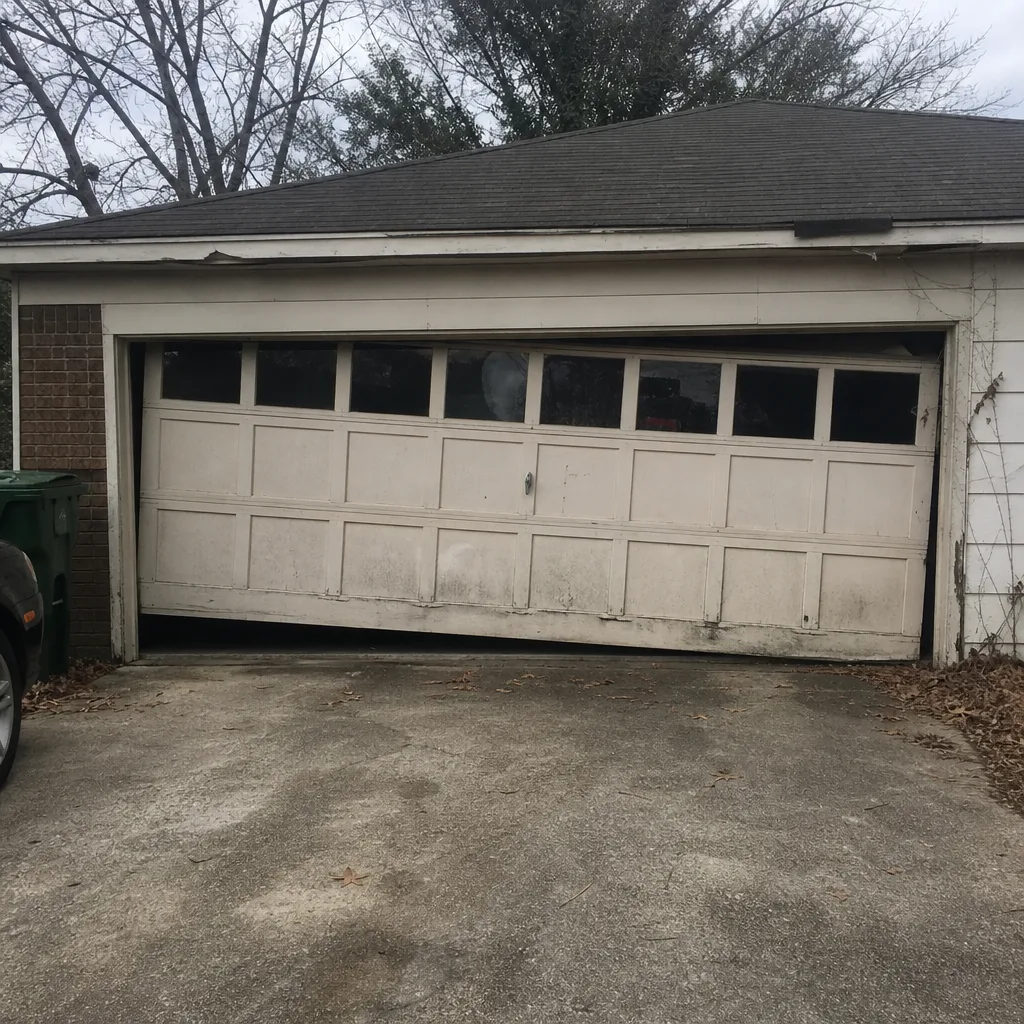 Before
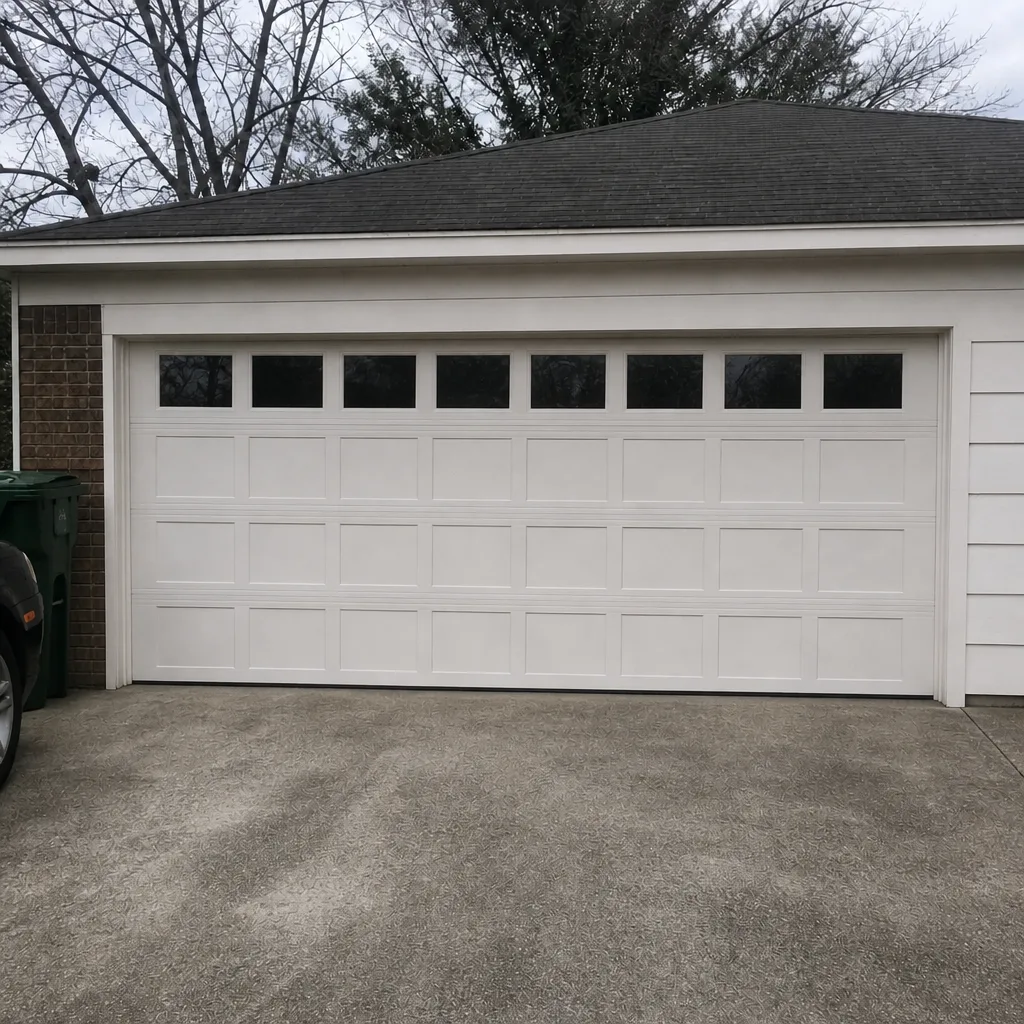 After
When to Call a Professional
Call a licensed garage door professional when the work involves springs, cables, tracks, or the opener’s safety devices, and call before you sign anything when the scope includes a new opening, widened opening, or a full door replacement with new tracks. Those are the situations where the safety risk and the permit question both come into play. A trained technician can tell you during a free estimate whether the work you’re planning needs a permit and whether the installation you have is code-compliant. Canton Garage Door Repair Experts offers free estimates in Canton – call (833) 304-2178. We work on LiftMaster, Chamberlain, Genie, Craftsman, Clopay, Amarr, Wayne Dalton and Raynor systems, so the brand in your garage is one we already know. And if you call after hours, we answer 24/7. Fast dispatch from 7am to 7pm, Sunday through Friday.
Frequently Asked Questions
A like-for-like garage door replacement in Canton usually does not require a building permit, but a new opening, a widened opening, a header modification, or any structural change typically does. Cherokee County governs permitting for unincorporated Canton, while the City of Canton handles its own jurisdiction, so confirm with the correct building department for your address before work starts. Call (833) 304-2178 for a free estimate if you want a second opinion on what your project needs.
It depends on your address. Unincorporated Canton is under Cherokee County’s permitting authority, and property inside Canton city limits is under the City of Canton. Check your property tax record or water bill to see which jurisdiction you fall under, then contact that building department directly. Getting this wrong is the most common reason a permit application gets rejected or delayed.
Use the Cherokee County or City of Canton permit search portal and search by your property address, not by contractor name. Look for the permit number, the contractor of record, the scope of work, and the final inspection status. A permit that was pulled but never finaled still leaves a record gap. Save a copy of the result – your lender or buyer’s agent will want it. Call (833) 304-2178 if you need help interpreting what you find.
The main consequence is a property record problem that can delay a sale or refinance until a retroactive permit and inspection are completed. If the unpermitted door causes an injury, the insurance claim review may examine whether the installation met code. The fix is a retroactive permit through the county or city, followed by an inspection of the existing installation. Getting ahead of it before you list or refinance is almost always cheaper and faster.
No. Spring replacements, cable replacements, and standalone opener repairs or replacements are mechanical repairs and generally do not require a permit. They do require a trained technician – springs are under extreme tension and can cause serious injury. Our garage door spring repair service handles that safely. Call (833) 304-2178 for a free estimate.
Georgia’s residential building code includes wind provisions for garage doors, and Canton sits in a region where those provisions apply. If your installation is permitted as a new opening or structural change, the inspector will verify the door and its reinforcement against the design wind speed for the area. A builder-grade door with no wind rating can fail inspection. Ask the building department what applies to your specific property.
The Bottom Line
Garage door permits in Canton come down to scope, not door type. A like-for-like replacement is usually permit-exempt; a new opening, structural modification, or header change is usually not. The property record matters more than most homeowners realize, and it surfaces at exactly the wrong time – during a sale or refinance. Check your own permit history before anyone else does, verify the permit in your contractor’s name, and get the final inspection record when the work is done. Springs and openers are repairs, not permits, but they still need a trained technician. If you’re planning a Canton garage door project and want a clear answer on what it requires, call Canton Garage Door Repair Experts at (833) 304-2178 for a free estimate. We answer 24/7. Fast dispatch from 7am to 7pm, Sunday through Friday. Our technicians have up to 10 years of experience, and we work on the major brands in Canton homes – no guesswork, no permit surprises.
Written by the team at Canton Garage Door Repair Experts.