
Last updated November 23, 2026
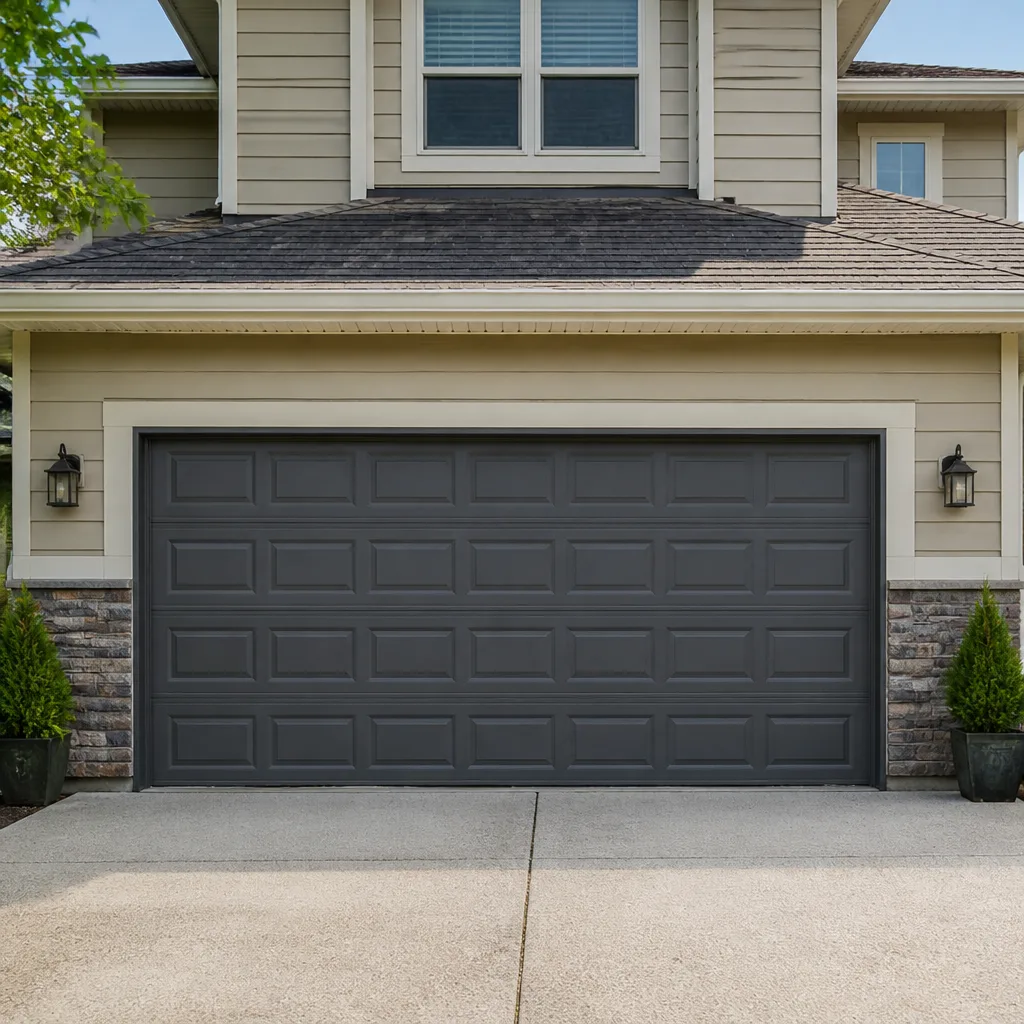 Raised-panel steel
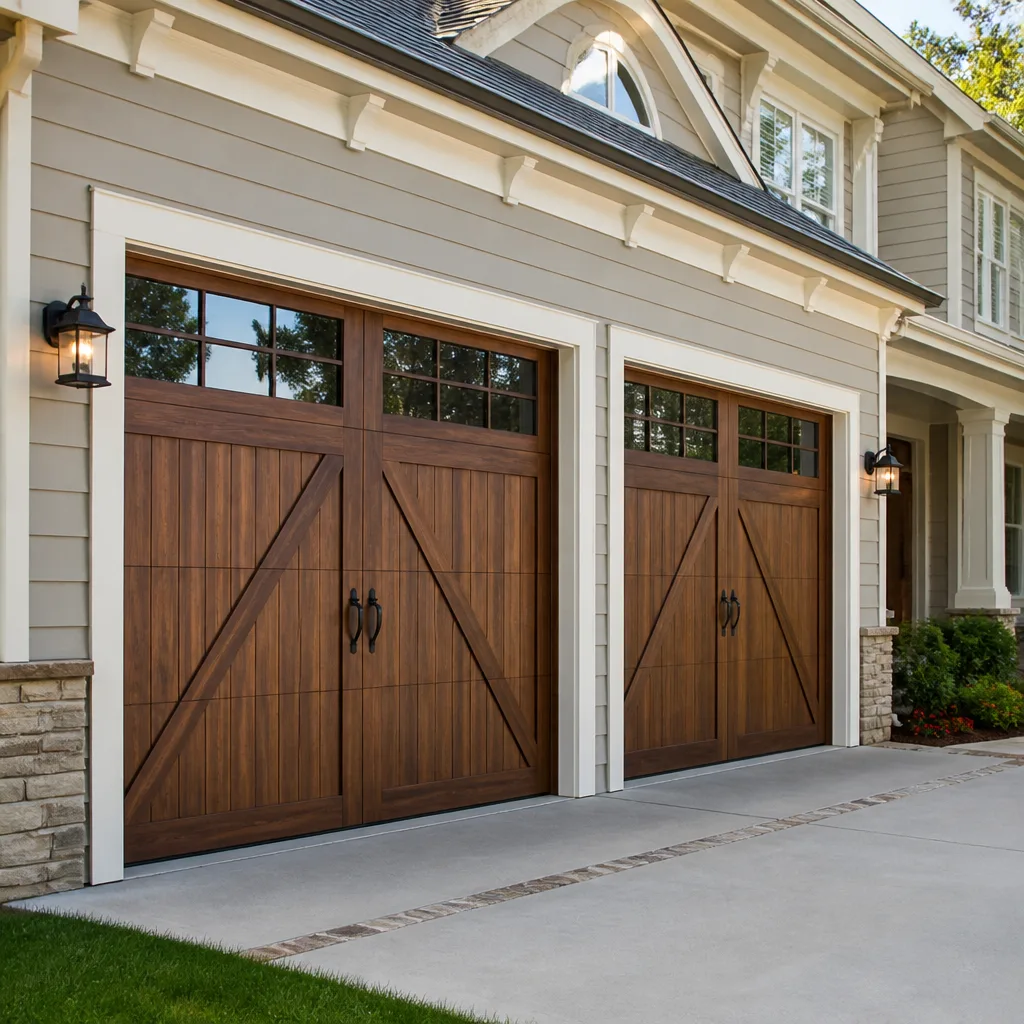 Carriage house
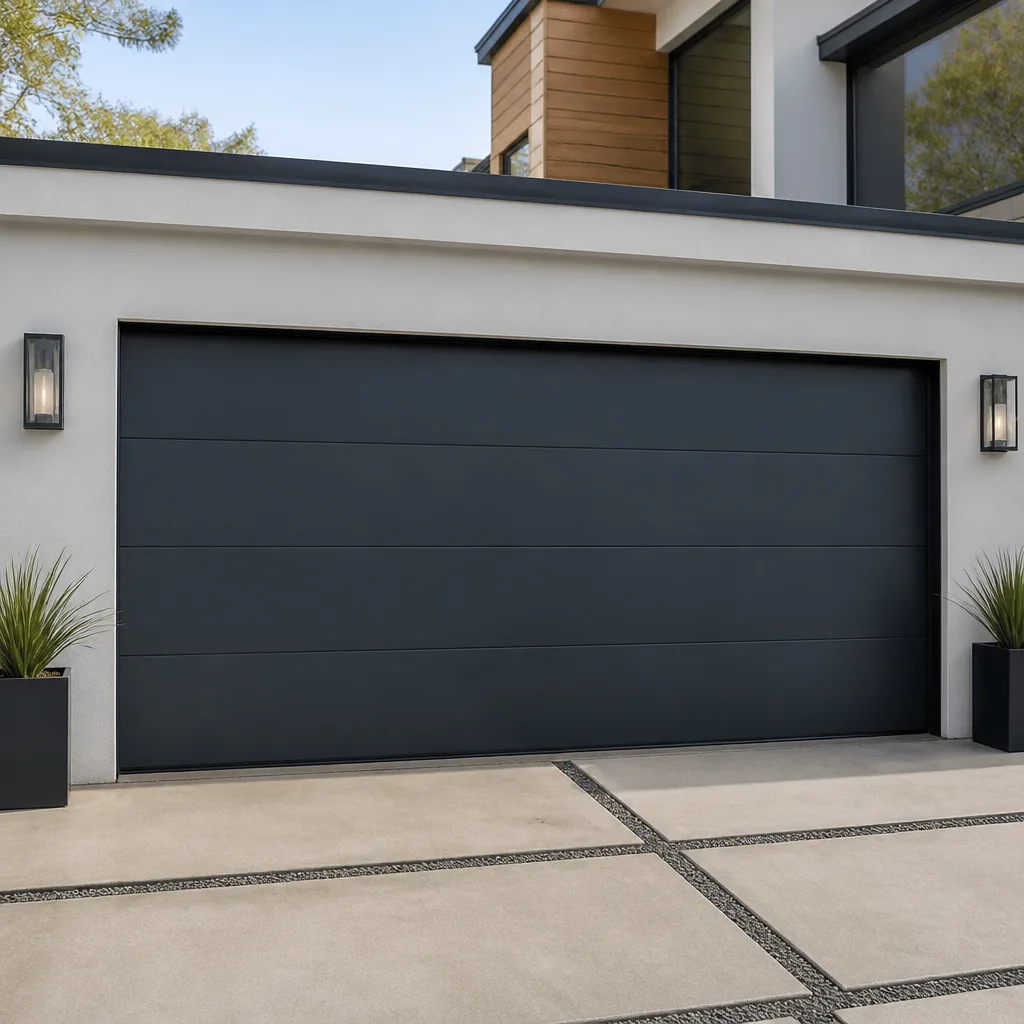 Modern flush
 Full-view glass
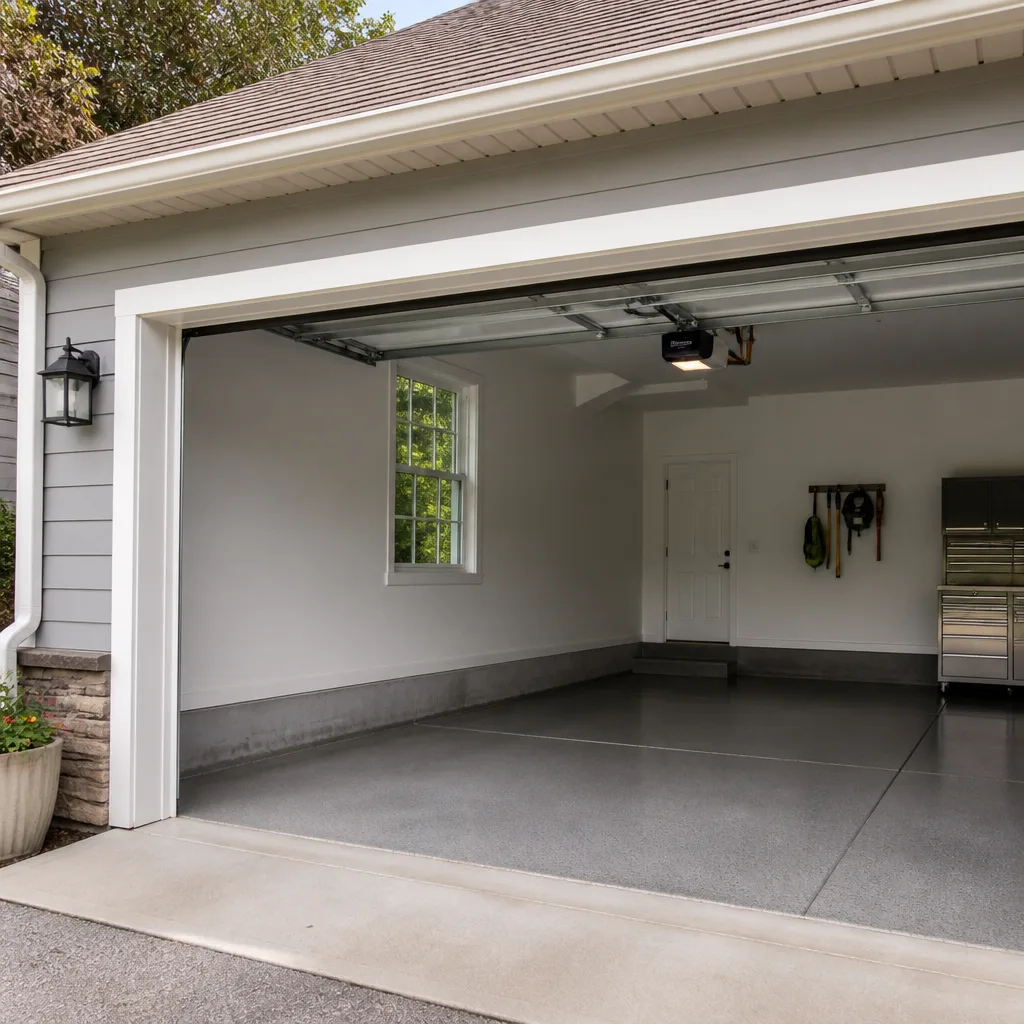 LiftMaster openers
 Chamberlain openers
Full 25-point door and opener safety check with every visit - springs, cables, rollers, tracks, and your LiftMaster or Chamberlain opener included
You get a price before we start. It does not change when the pro arrives.
Get your free estimateDIY vs Professional Garage Door: The Canton Homeowner’s Decision Guide
Most home improvement debates are about attitude: are you the kind of person who grabs a wrench or the kind who grabs the phone? Garage doors don’t work that way. The real dividing line is mechanical, not philosophical. Replacing a bottom weatherstrip is a sensible afternoon task for almost any Canton homeowner. Adjusting torsion spring tension is a job that puts people in the emergency room every year, and it’s a job we regularly get called to finish after a homeowner decides halfway through that they’ve made a mistake. What follows is a task-by-task breakdown: what you can safely do, what you shouldn’t touch, and how to read your own door before you decide.
Quick Answer
For most Canton homeowners, the safe DIY zone is limited to weatherstripping, sensor alignment, opener programming, visual inspections, and minor cosmetic dent repair. Spring replacement, cable work, and track realignment under tension belong to a trained technician because they involve stored mechanical energy that can cause serious injury. If your door won’t open, is hanging unevenly, or has a snapped spring, call a professional rather than improvising.
Styles & brands we work with
- Raised-panel steel
- Carriage house
- Modern flush
- Full-view glass
- LiftMaster openers
- Chamberlain openers
Table of Contents
- The Task-by-Task Breakdown: What’s Safe and What Isn’t
- Why Torsion Spring Work Is Genuinely Dangerous
- DIY Savings vs. the Cost of a Bigger Repair
- The Tools That Separate a Safe DIY Job From a Risky One
- How to Assess Your Specific Door Before You Decide
- Canton-Specific Factors: Climate, Housing, and Door Age
- Common Mistakes to Avoid
- When to Call a Professional
The Task-by-Task Breakdown: What’s Safe and What Isn’t
Garage door work isn’t one job. It’s a dozen different jobs bolted to the same frame, and they range from genuinely easy to genuinely hazardous. Before you decide whether to crawl under the door with a socket set, find your task on this list.
Jobs most homeowners can handle safely
- Bottom weatherstrip replacement. The rubber seal along the bottom edge wears out and lets water and pests in. It slides out of its retainer and a new one slides back. No tension, no springs, no risk beyond a scraped knuckle.
- Photo-eye sensor alignment. If the door reverses for no obvious reason, the two sensors near the floor are probably out of line. Nudge them until the indicator lights glow steady, then test with a moving object.
- Opener programming and remote pairing. Adding a new remote or connecting the opener to a home hub is a manual-and-patience job, not a mechanical one. Craftsman and LiftMaster systems both walk you through it step by step.
- Lubrication. A little white lithium grease on the hinges, rollers, and track keeps things quiet and slows wear. Fifteen minutes, twice a year.
- Minor panel dents. A cosmetic ding on a steel panel isn’t structural. It won’t affect operation, and a body-shop-style dent puller can sometimes smooth it out.
- Visual inspection. Look at cables for fraying, springs for gaps, rollers for flat spots, and the door’s balance by disconnecting the opener and lifting it halfway. This is the single most valuable thing a homeowner can do.
Jobs that require a technician
- Torsion spring replacement. This is the big one. Springs store enormous energy, and releasing it incorrectly can cause severe injury.
- Extension spring replacement. Slightly less hazardous than torsion but still under heavy load, and the safety cables that should contain a broken spring are easy to install wrong.
- Cable replacement or adjustment. Cables are under continuous tension and cut hands and worse when they snap.
- Track realignment under tension. A bent track means the door is off its path, and straightening it with the door under spring load is a two-person job with real risk.
- Panel replacement on a loaded door. Removing a section means the rest of the door is unbalanced. This is not a solo job.
- Opener gear and motor repair. Replacing a stripped gear or a dead capacitor means opening the unit and dealing with mains wiring.
The pattern is clear: anything under spring tension is a pro job. Anything cosmetic, electronic, or low-tension is fair game. That single rule covers about 90% of the decisions Canton homeowners face.
Why Torsion Spring Work Is Genuinely Dangerous
When a spring snaps, you hear it from inside the house. What you don’t see is the amount of energy that just released. A standard residential torsion spring on a typical Canton two-car door is wound to somewhere around seven to nine full turns, and the torque it holds is enough to lift a door that weighs well over a hundred pounds. That stored energy doesn’t disappear when you touch the wrong winding bar. It goes wherever the bar goes.
Here’s the part that surprises people: the spring doesn’t have to break to hurt you. A winding bar that slips out of a winding cone has no safety catch. Neither does the cone itself if you loosen the wrong set screw. We’ve seen doors where a homeowner tried to “take the tension off” with a pair of vice grips and a screwdriver, and the result was a bent track, a cracked panel, and a very close call. The problem isn’t that these people were careless. It’s that the task has no forgiving steps. A one-inch mistake is a serious mistake.
What “stored energy” actually means in practice
Think of the spring as a compressed spring on a much larger scale. It’s wound tight while the door is closed, and it releases as the door goes up. At any point in the travel, the spring is holding tension. If you’re not holding a winding bar at the exact position the spring expects, that tension finds the next available release, which is usually whatever your hand is doing. This is why the job requires two proper winding bars, a firm stance, and a clear understanding of which way the cone turns to release. It’s also why we treat spring replacement as its own specialty rather than a line item inside a general repair call.
This is exactly why garage door spring repair is a standalone service for us. If your spring is broken, fighting a door that won’t lift, call a professional. A trained technician has the bars, the technique, and the safety habits that turn a dangerous job into a routine one.
DIY Savings vs. the Cost of a Bigger Repair
The honest answer on cost is that DIY sometimes saves real money and sometimes creates a bigger bill. Weatherstrip replacement? A homeowner saves the labor, and the result is just as good. Spring replacement attempted by an untrained hand? The “savings” can vanish the moment a bar slips and bends a track or cracks a panel, and then you’re paying for the repair plus the spring job plus the panel.
Where DIY actually pays
- Weatherstrip and seal replacement: parts are inexpensive, and the labor isn’t worth a service call.
- Sensor alignment: usually a free fix if you can see the indicator lights.
- Remote and opener programming: the manual does the work.
- Lubrication and light cleaning: maintenance that prevents bigger problems.
Where DIY usually costs more
- Anything that requires relieving spring tension.
- Cable work: a snapped cable can whip and damage panels, and the door is unsafe in the meantime.
- Track adjustment on a loaded door: if you get it wrong, the door binds and wears out rollers and hinges fast.
- Opener motor or gear repair: a miswired opener can damage the control board, and now it’s a replacement instead of a repair.
For context on what a pro job looks like in this market, spring repair and replacement sit in a range that reflects the load, the door size, and the number of springs involved. The written estimate sets the final price, and we quote before any work starts, so there’s no surprise invoice after the fact. If you want a baseline, ask for a free estimate and compare it against the cost of a bent track or a cracked panel. Most of the time, the numbers make the decision for you.
The Tools That Separate a Safe DIY Job From a Risky One
Improvised tools are where DIY garage door work goes wrong. If you’re going to touch a door, have the right things on hand before you start. This isn’t about collecting a tool chest; it’s about not substituting a screwdriver for a winding bar or a step stool for a ladder that’s actually tall enough.
What a homeowner actually needs for the safe jobs
- A proper stepladder rated for your weight, tall enough to reach the opener head without stretching.
- A socket set and adjustable wrench for hinge bolts and weatherstrip retainers.
- A screwdriver set for sensor brackets, remote battery doors, and opener housings.
- White lithium grease or a garage-door-specific lubricant for rollers and hinges.
- Work gloves and safety glasses, because springs, cables, and sharp panel edges are all nearby even when you’re doing a “safe” task.
- The opener manual. Craftsman, Genie, and Chamberlain systems all program differently, and guessing wastes an afternoon.
What you should never improvise
- Winding bars. A screwdriver, a piece of rebar, or a pair of pliers is not a winding bar. The right tool has the right diameter and length so it seats fully in the cone.
- Safety cables. Extension springs need cables threaded through them. Skipping this is a safety failure, not a shortcut.
- A second person. Track work and panel work are two-person jobs. If you can’t find a second set of hands, wait.
If your toolbox is missing more than one item on the first list, treat the job as a call to a professional. It’s cheaper than the trip to buy the tools and safer than making do.
How to Assess Your Specific Door Before You Decide
Two Canton homes on the same street can have completely different doors, and the condition of yours changes the DIY math. Before you decide, run through this assessment. It takes five minutes and saves you from guessing.
Step 1: Check the springs
A torsion spring mounts horizontally on a shaft above the door. An extension spring runs along each side. Look at the torsion spring for a visible gap of an inch or more; that’s a broken spring. Look at the extension springs for missing safety cables. In both cases, no DIY.
Step 2: Test the balance
Disconnect the opener with the red release cord, lift the door to halfway, and let go. A balanced door stays where you put it. A door that drifts down is under-supported; a door that drifts up is over-sprung. Either way, a technician needs to look at it.
Step 3: Check the hardware
Look at the rollers. Steel rollers with flat spots, plastic rollers with cracks, and hinges with rust or loose bolts all signal a door that’s due for service. Worn hardware makes to-dos riskier because the door may not track the way it should.
Step 4: Note the door’s age and brand
Older doors built with Wayne Dalton hardware or Amarr panels have their own quirks, and knowing the brand makes any service call faster. If your opener is a Craftsman or a LiftMaster, note the model number; a technician who already works on that brand can diagnose it quicker than someone who has to start from scratch.
Step 5: Decide
If the door is balanced, the springs are intact, the hardware is sound, and your task is on the safe list, go ahead. If any of the first four steps turned up a problem, that’s the boundary. Call for a free estimate, and get a trained set of eyes on the door before you touch anything. This assessment is also a good reason to keep garage door repair on speed dial: the diagnosis is free, and it’s the cheapest part of the whole process.
Canton-Specific Factors: Climate, Housing, and Door Age
The Canton area brings a few local factors that change the DIY calculus, and they’re worth knowing before you decide. North Georgia’s humidity swings are hard on wood and steel alike. A door that sat through a wet spring and a dry summer can have swollen panels, rusted hinges, or a bottom seal that’s rotted faster than expected. That wear matters because it changes how the door moves: a door that’s dragging or binding is already under stress before you add a DIY attempt.
Canton’s housing mix matters too. Neighborhoods like Bridgemill, Great Sky, and the older streets near downtown Canton include homes from several different eras, which means doors and openers from a range of manufacturers. You’ll find Wayne Dalton doors on some houses and Amarr or Raynor systems on others, and the opener brand tells you a lot about how repair-friendly the setup is. A well-documented LiftMaster or Chamberlain opener is easier to service than an older unit with no label. If you’re not sure what you have, a quick call can settle it.
The other local consideration is storm season. North Georgia gets its share of wind and heavy rain, and doors that face an exposed driveway take the brunt of it. Impact damage, misalignment after a storm, and opener failures after a power surge are all common. If your door took a hit and the frame is bent or the door is off its track, that’s a pro call, not a weekend project.
One more thing: most municipalities require a permit for certain garage door work, so it’s worth a call to the building department to check. We can’t answer that for you; the city can.
Common Mistakes to Avoid
- Trying to release torsion tension with the wrong tool. A screwdriver or a piece of rebar can slip out of the cone and take a hand with it. Two winding bars are the only safe option, and if you don’t own them, you don’t own the job.
- Skipping the balance test before disconnecting anything. If the door is already out of balance, working on it makes every other task riskier. Test first.
- Replacing a spring without replacing the other one. Springs on a two-spring system wear together. If one has failed, the other is on borrowed time, and a mismatched pair puts uneven load on the shaft.
- Patching a dented panel with filler and calling it done. Cosmetic repair is fine on a solid panel, but if the panel is creased at a hinge line, the door’s strength is compromised. That needs a technician’s eye.
- Adjusting the opener limit switches by trial and error. If the door starts reversing or doesn’t close all the way, the limit switches are a likely culprit, but guessing at them can send the door into the frame. Read the manual or call for help with the opener setting.
- Ignoring a slow opener motor. A motor that’s getting louder or slower is telling you something. A pro looks at gear wear and capacitor condition before it fails completely and leaves the door stuck.
- Attempting track work with the door up. With the door open, the spring is already unwound, but the cables and panels are still loaded. Track work is a closed-door, tension-relieved job that belongs to a technician.
When to Call a Professional
Call a pro when the job involves spring tension, cable work, track realignment under load, or opener motor repair. Call sooner if your door is stuck open, hanging unevenly, making a loud bang when it moves, or failing to reverse on a test object. Those are safety issues, not scheduling preferences, and a trained technician can diagnose them before a small problem becomes a big one. If you’re unsure which category you’re in, the assessment steps above will tell you in five minutes.
Canton Garage Door Repair Experts offers free estimates in Canton. Call (833) 304-2178. We answer 24/7. Fast dispatch from 7am to 7pm, Sunday through Friday. If you’d rather look at what a full guide covers, our Canton Garage Door Repair Experts home page lays out the full service list.
Frequently Asked Questions
No. Torsion and extension springs store enough energy to cause serious injury, and releasing them incorrectly is a common source of emergency room visits. A trained technician has the right winding bars and technique, and spring replacement is a routine job for them. If your spring is broken, call (833) 304-2178 for a free estimate.
Spring replacement pricing depends on the door size, the type of spring, and whether one or both springs need attention. A matched pair is usually replaced together, so a pair costs about twice the single-spring price. The written estimate sets the final price before any work starts, and estimates are free.
A minor dent that doesn’t reach a hinge line or a structural fold is usually safe to handle yourself, and sometimes it’s purely cosmetic. If the panel is creased, cracked, or loose at the hinge, the door’s strength is affected and a technician should look at it.
Yes, same-day service is available for urgent situations like a door stuck open or a snapped spring. Call (833) 304-2178. We answer 24/7. Fast dispatch from 7am to 7pm, Sunday through Friday. A stuck-open door is a security concern, so don’t leave it overnight.
No. We quote the job and agree on the price before any work starts, and the written estimate is the number. If we find something the first look didn’t reveal, we discuss it with you before touching the door.
Yes. The local professionals we connect you with are licensed and insured as their state requires, and our technicians have up to 10 years of experience. We work on systems from LiftMaster, Chamberlain, Genie, Clopay, Amarr, Wayne Dalton, Craftsman, and Raynor.
The Bottom Line
The DIY-versus-pro question for garage doors isn’t about attitude. It’s about which task you’re attempting. Weatherstripping, sensor alignment, opener programming, lubrication, and cosmetic dent repair are sensible DIY jobs for a careful homeowner. Spring replacement, cable work, track realignment under tension, and opener motor repair belong to a trained technician because the risk of injury or a bigger repair bill is real. Run the five-step assessment, check your own door’s condition, and if you land on the pro side, call for a free estimate. The estimate costs nothing and the safety margin is worth it.
Written by the team at Canton Garage Door Repair Experts.
See the difference
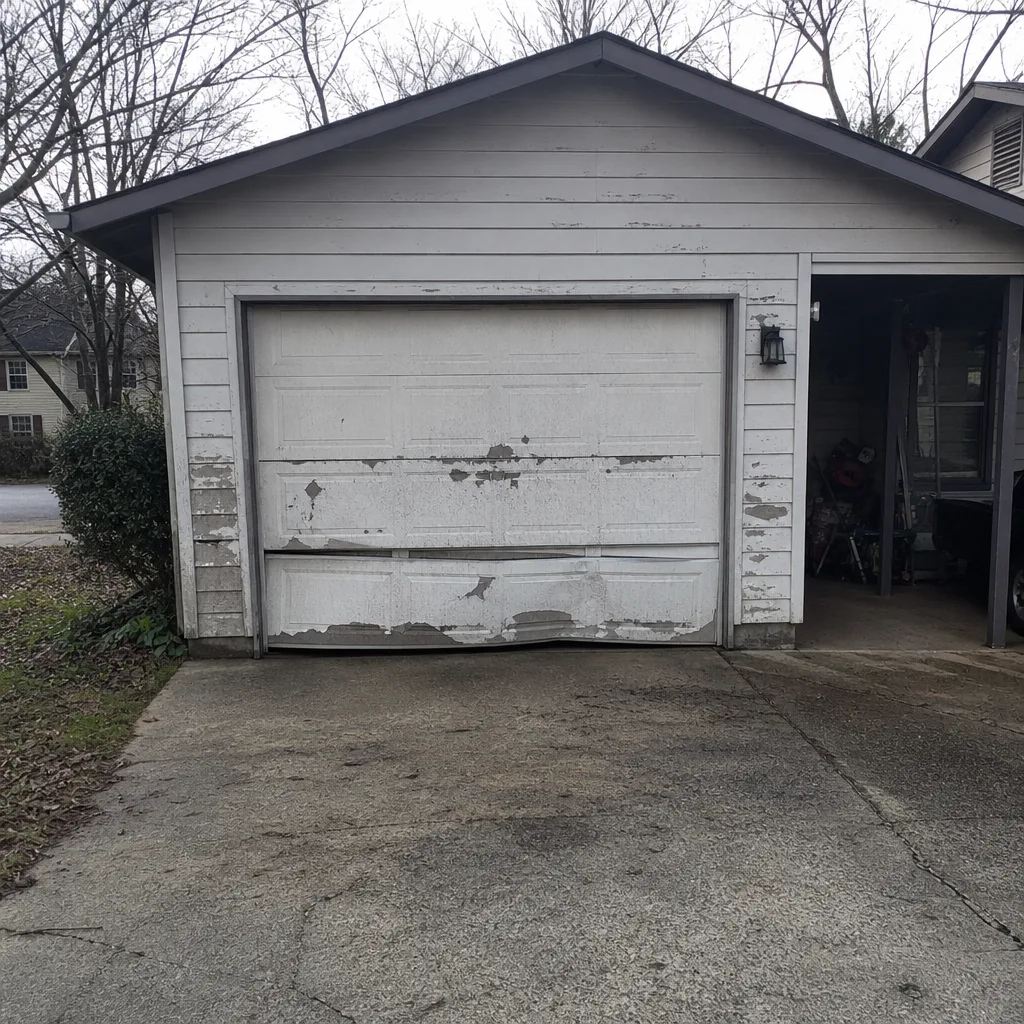 Before
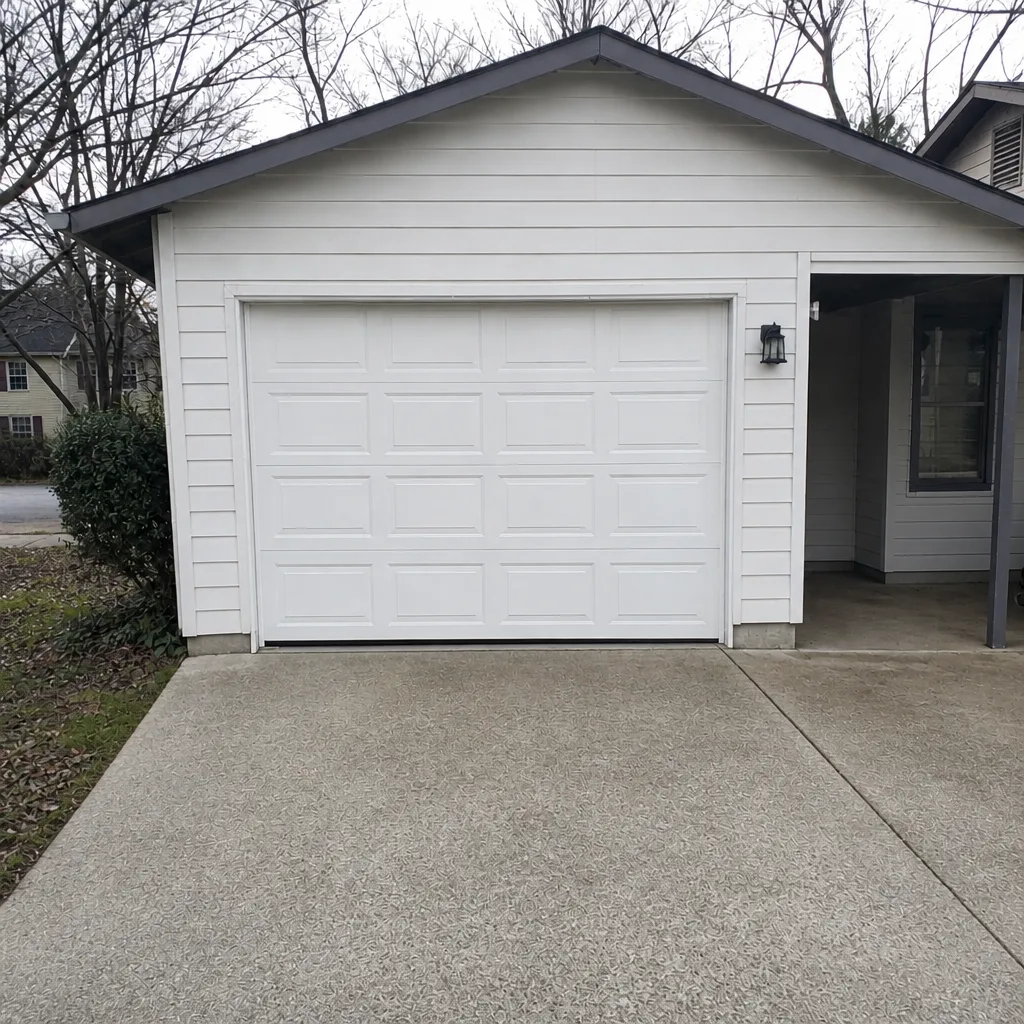 After
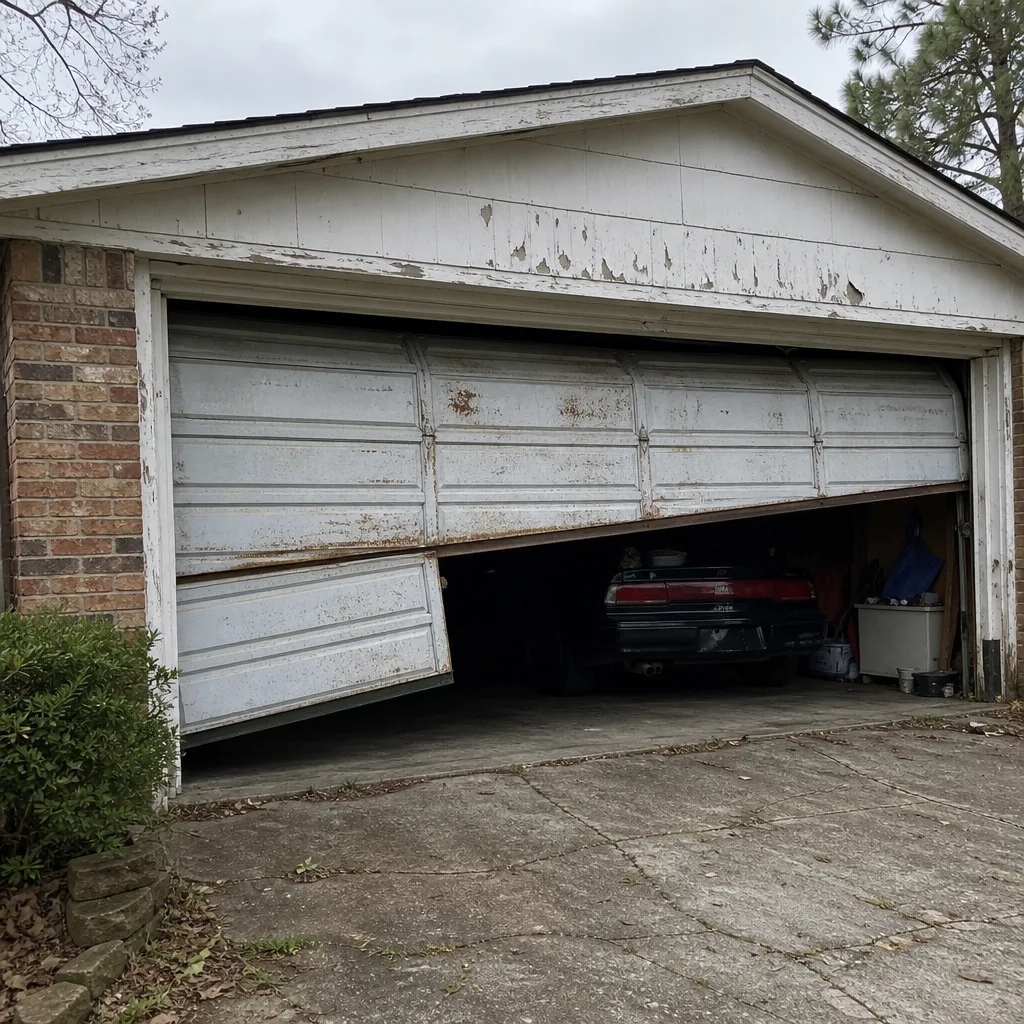 Before
 After
 Before
 After