
Last updated November 23, 2026
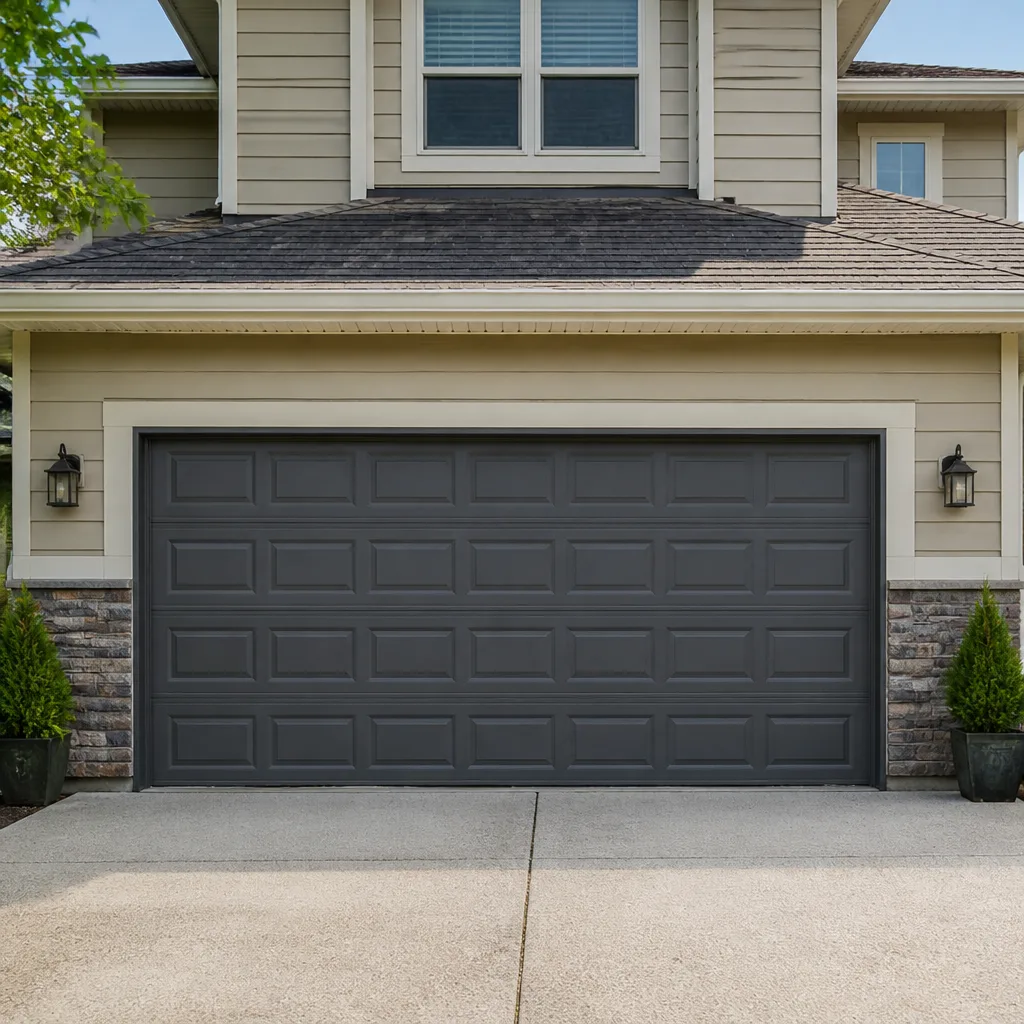 Raised-panel steel
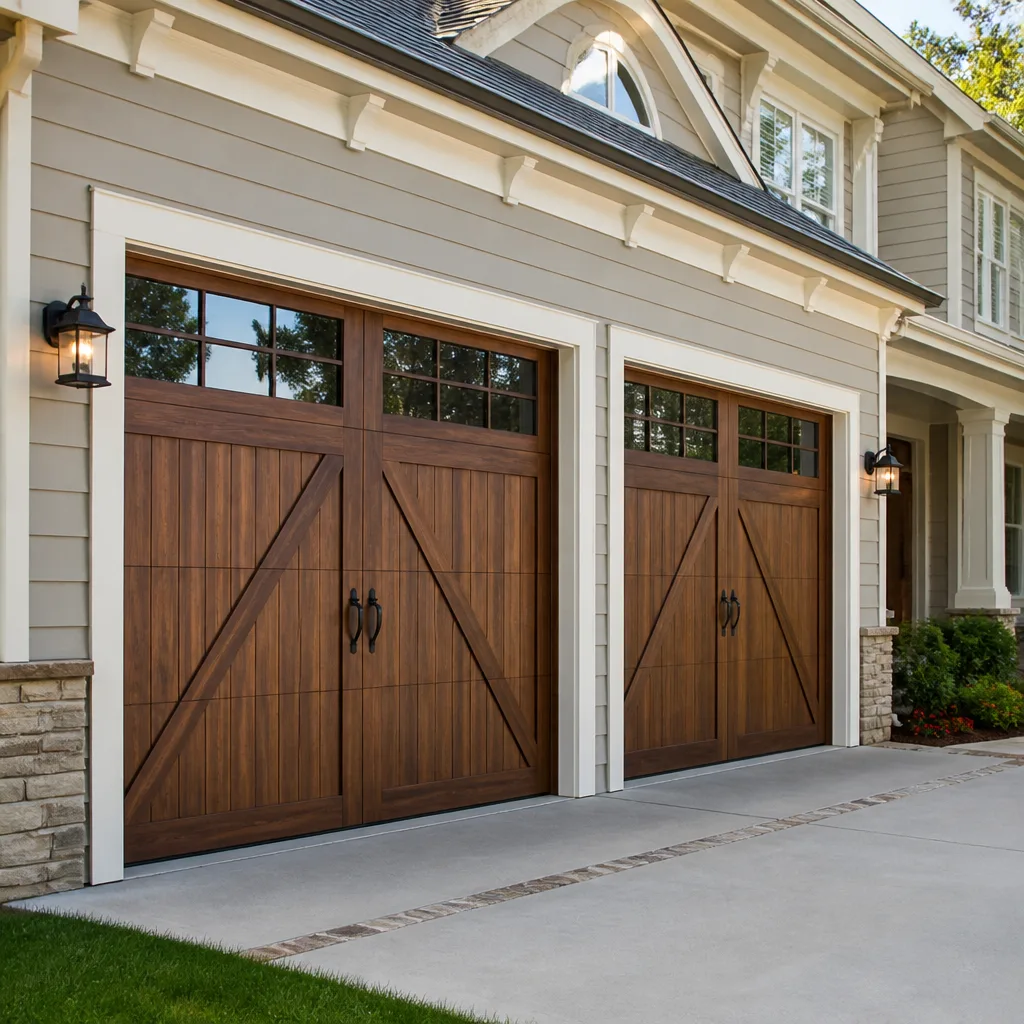 Carriage house
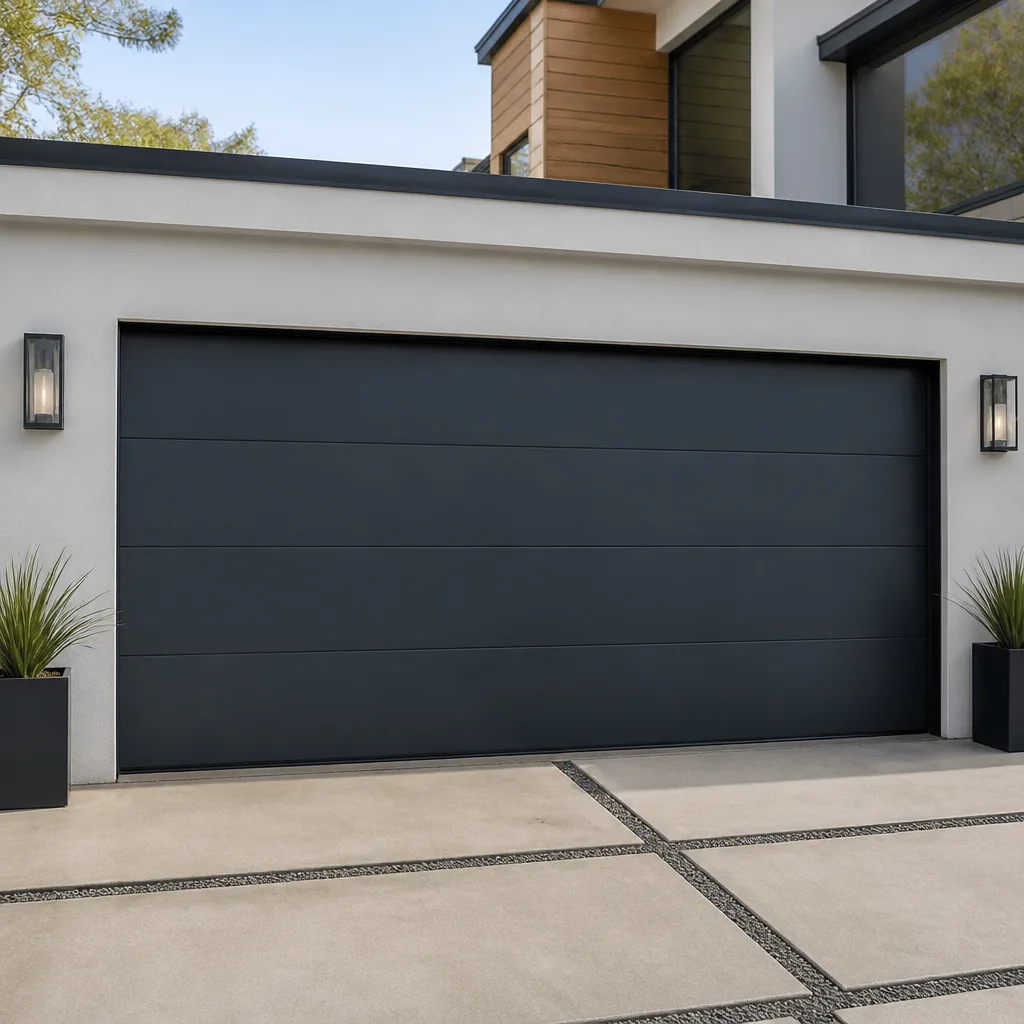 Modern flush
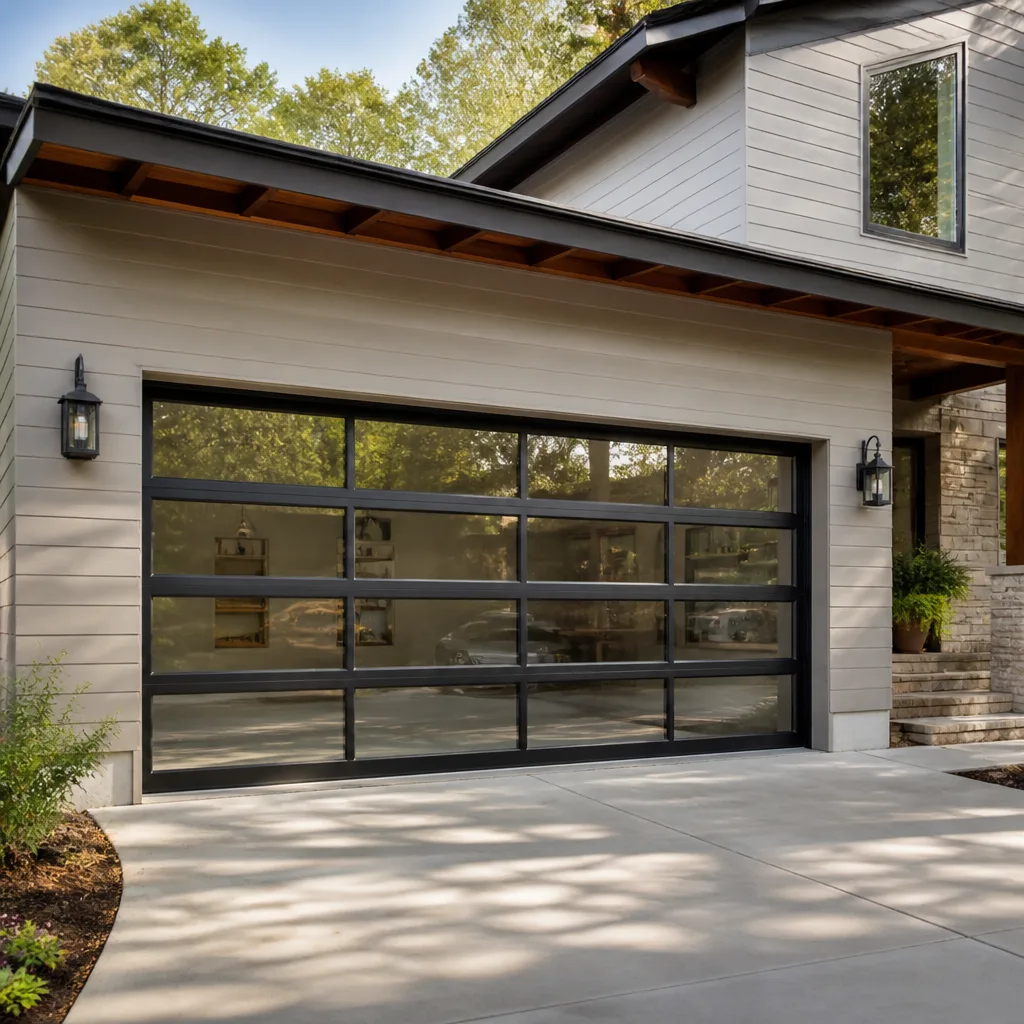 Full-view glass
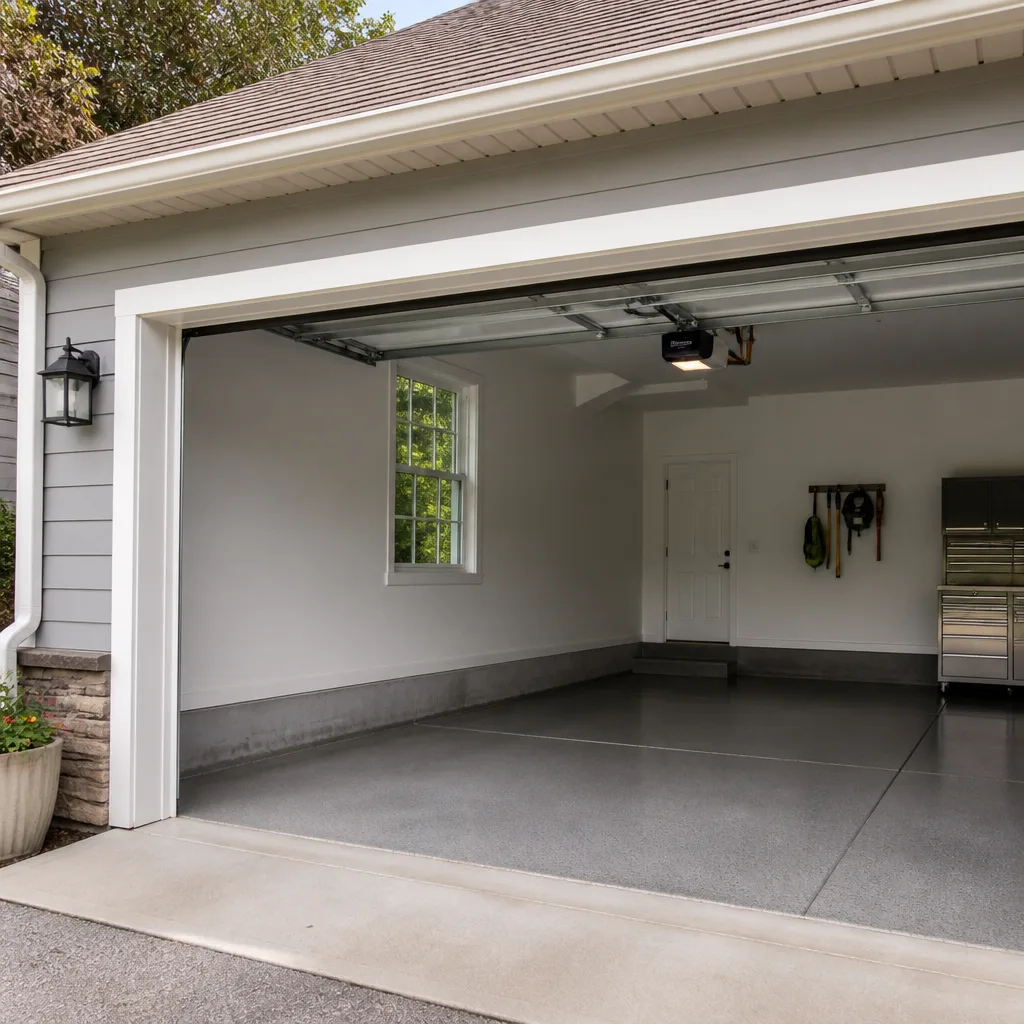 LiftMaster openers
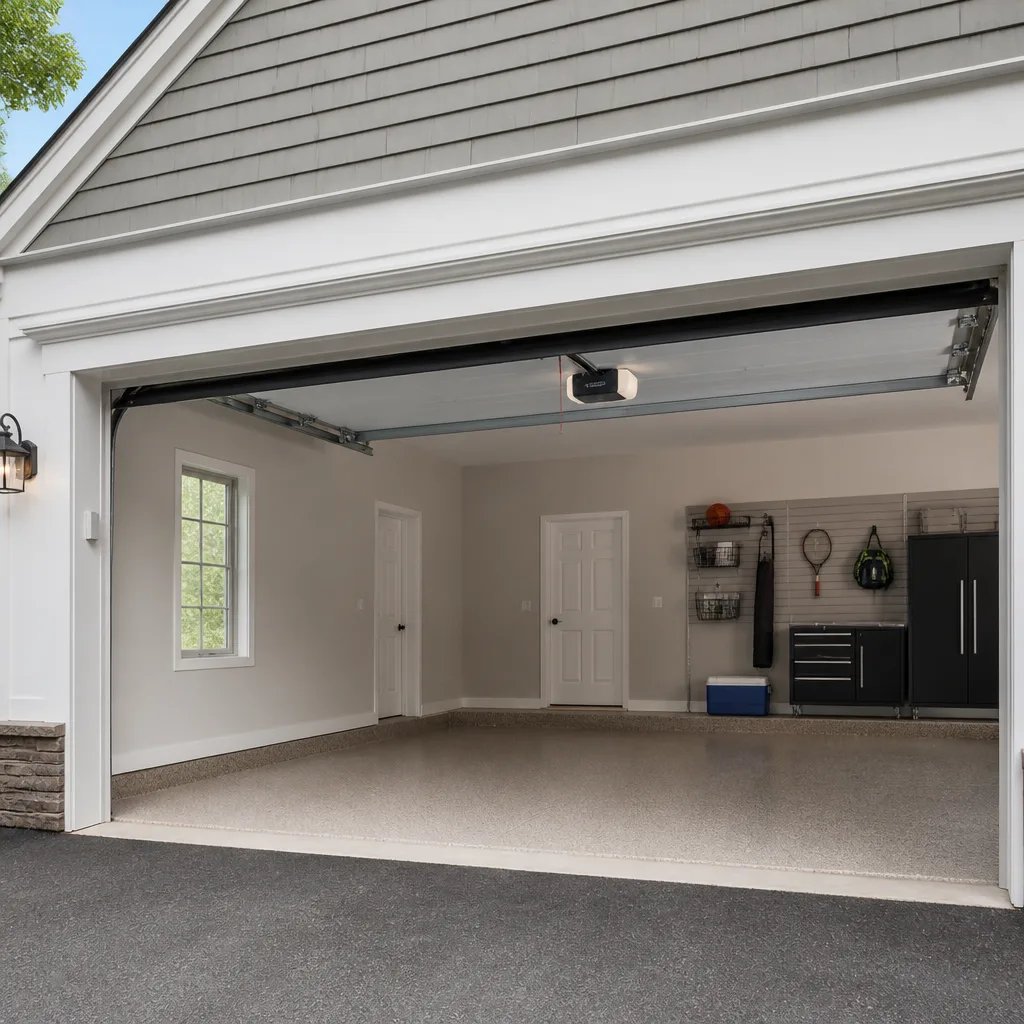 Chamberlain openers
Full 25-point door and opener safety check with every visit - springs, cables, rollers, tracks, and your LiftMaster or Chamberlain opener included
You get a price before we start. It does not change when the pro arrives.
Get your free estimateGarage Door Warning Signs: A Canton Homeowner’s Reference Guide
A grinding noise on the way up isn’t “normal for an older door.” It’s usually a roller bearing failing, and in Canton homes with original builder-grade hardware, that bearing is often 6 to 8 years old and well past the cycles it was rated for. Ignore it and you’re 2 to 3 weeks from a door that won’t open at all. Every garage door failure announces itself before it happens. The problem is that homeowners misread the symptoms as minor annoyances rather than specific mechanical warnings with predictable endpoints. This guide walks you through what each sound, sight, and behavior actually means, at the component level, so you can act on the warning before it becomes a repair. We’ll mention Canton a few times because the housing stock and humidity here shape which parts fail first.
Quick Answer
The most important garage door warning signs are grinding or squealing during travel, a door that reverses mid-cycle, visible cable fraying, rust bloom on the springs, and a door that sits unevenly when closing. Grinding and squealing usually point to a failing roller bearing or worn hinges. A door that hangs lower on one side is almost always a cable problem, not a track problem. Any sign that involves a frayed cable, a sagging door, or a broken spring means stop operating the door and get it inspected before you press the button again.
Styles & brands we work with
- Raised-panel steel
- Carriage house
- Modern flush
- Full-view glass
- LiftMaster openers
- Chamberlain openers
Table of Contents
- Sound-Based Diagnosis: What Each Noise Tells You
- Visual Warning Signs Most Homeowners Walk Past
- Why an Uneven Door Is a Cable Problem, Not a Track Problem
- Opener Behavioral Tells: What the Motor Is Trying to Say
- Response Time Guide: Repair This Week vs. Stop Using It Now
- Why Canton Homes Show These Signs Earlier Than You’d Expect
- Prevention: The Checks That Actually Matter
- What Waiting Costs You in Practice
Sound-Based Diagnosis: What Each Noise Tells You
Sound is the earliest warning a garage door gives you, and it’s also the most specific. Each noise comes from a different moving part, so matching the sound to the component narrows the problem before anyone touches the door. Here’s how we break them down by ear.
- Grinding during travel. A rough, metallic grind usually means a roller bearing has dried out or seized. The roller stops spinning and starts dragging, which grinds against the track. This is the most common early failure on builder-grade hardware.
- High-pitched squealing. Squealing typically comes from worn or dry hinges and the torsion tube bearing plates. It’s often the first sound homeowners notice, and it’s usually the easiest to resolve if you catch it before it scores the track.
- Loud popping or snapping. A sharp pop during operation is a red flag for the torsion spring or a cable under tension. Treat it as a stop-use signal rather than a repair-you-get-to-eventually signal.
- Rattling and shaking. Rattling points to loose hinge bolts, a loose track bracket, or a cable that has come off its drum. Some rattle is normal wear, but a rattle that grows louder over a few weeks is the door telling you something has backed out.
One sound is worth paying attention to more than any other: a grind that gets louder on the way up than on the way down. That pattern almost always points to a roller on the load-bearing side of the door, and it’s the bearing most likely to fail first because it carries more weight over more cycles. If you take one thing from this guide, take that. Match the sound to the part, and you’ll know whether you’re scheduling a repair or stopping the door.
Visual Warning Signs Most Homeowners Walk Past
Most of the warning signs that matter are things you see rather than hear, and they tend to hide in plain sight because nobody looks at them closely. We’ve gotten very good at reading the small visual tells that precede a failure. Here’s what to check on your next walk past the door.
- Cable fraying. Look at the lift cables on both sides of the door, from the bottom bracket up to the drum. Fraying always starts at the ends, near the drum or the bottom corner bracket. Even one broken strand means the cable is compromised and the door should not be run.
- Rust bloom on the springs. A torsion spring is a coiled steel bar under heavy tension. Rust patches or a bloom of orange dust on the spring windings are the first sign of fatigue, and Canton’s summer humidity accelerates this on doors that face the sun. Rust on a spring is a fatigue warning, not cosmetic.
- The track gap test. The gap between the roller and the inside of the track should be roughly even on both sides. If you can see daylight behind a roller on one side and nothing on the other, the door is out of alignment or the brackets have shifted.
- Sagging panels or a bowed top section. A top panel that dips in the middle suggests the spring isn’t balancing the door properly, and the operator is picking up the slack.
- Worn bottom weather seal. A seal that’s split, flattened, or pulling away lets water and insects under the door. It’s minor on its own, but it’s a sign nobody has looked at the door in a while.
The visual checks take about two minutes and don’t require any tools. Stand outside, look at the door with the light behind it, and then look again from the inside. You’re not fixing anything. You’re learning what “normal” looks like on your specific door so that, when it changes, you notice. In our experience working around Canton, the doors that fail without warning are almost always the ones nobody had looked at from the inside in years.
Why an Uneven Door Is a Cable Problem, Not a Track Problem
A door that closes lower on one side than the other has a cable problem, not a track problem. This is one of the most commonly misdiagnosed garage door symptoms, and it’s worth explaining because getting it wrong leads to a repair that doesn’t fix the door. On a sectional door, the lift cables pull both sides of the door up at the same rate. When one cable is stretching, fraying, or slipping on the drum, that side lags. The result is the tilted door that makes a homeowner assume the track is bent.
Here’s why the misdiagnosis matters. If you assume the track is bent and spend the time adjusting the track, you haven’t fixed the stretched cable. The cable continues to stretch, the tilt gets worse, and eventually the cable snaps on one side. A single snapped cable on a door under tension is genuinely dangerous, and it also loads the remaining cable at double its design. The “track problem” turns into a two-cable replacement plus a possible spring replacement.
In our experience, the tilt is often small at first, maybe a quarter inch over the width of the door, and easy to dismiss. A quarter inch becomes a half inch over a few weeks. If you notice the tilt at a quarter inch, check the cables first, not the track. If either cable looks frayed or is off the drum, stop operating the door and have it inspected. Cable work is one of the jobs we do not recommend homeowners attempt. A cable under load can injure badly when it releases. The local pro we connect you with is trained and equipped to handle it safely, so it’s worth a free estimate to know exactly what you’re facing. For the full picture on what a cable repair involves alongside the spring, see garage door spring repair.
Opener Behavioral Tells: What the Motor Is Trying to Say
Your opener is a sensor, if you know how to read it. A modern unit from LiftMaster, Chamberlain, or Genie runs a programmed cycle and reports when something is off. Three behaviors in particular tell you a lot about whether you’re facing a motor problem or a mechanical one.
- Reversal mid-cycle. If the door starts down and then reverses, the opener has detected resistance, most likely from a misadjusted safety sensor or a physical obstruction. If the sensors are clean and aligned and the door still reverses, the opener is telling you the door is heavier than it expects. That points to a failing spring, not a bad motor.
- Slow acceleration. A door that used to start moving promptly and now starts slowly is usually fighting mechanical resistance. If the motor seems to labor, check the door balance first. The opener should be picking up a balanced door with almost no effort.
- Limit creep. If the door stops an inch before the floor on one opening and travels past it on the next, the travel limits have drifted. On an older unit this can be the opener’s internal gearing wearing. On a newer unit it usually means the door itself has changed weight.
The pattern to remember is this: an opener that behaves erratically is often reporting on the door, not on itself. When a homeowner calls us because the opener “keeps reversing,” our first step is a balance check on the door. Sometimes the fix is an opener repair, and sometimes it’s a spring replacement and the opener is fine. Getting that distinction right on the first visit is the difference between a repair that lasts and one that fails again. If you’re seeing the opener misbehave on a modern smart-home compatible unit from LiftMaster or Chamberlain, that’s usually a sensor or limit issue. On an older Genie or Craftsman, it’s more often the door balance. For more on what an opener repair actually involves, read our page on garage door opener repair.
Response Time Guide: Repair This Week vs. Stop Using It Now
Not every warning sign is an emergency, but a few of them are. The distinction isn’t about how loud the noise is or how worried you feel. It’s about what part is at risk of releasing under load. Here’s how we sort them.
Schedule a repair this week
- Grinding or squealing that started recently and is getting louder.
- A door that rattles more than it used to, especially at the hinges.
- Worn weather seal, or a bottom seal that’s no longer sitting flush.
- An opener that runs slow on cold mornings but works once warmed up.
- A door that looks close to level but sits slightly heavy when you lift it by hand.
Stop using the door and get it inspected
- A visible break in the torsion spring, or a door that won’t lift.
- A frayed or snapped lift cable.
- A door that tilts noticeably when closing (uneven by a half inch or more).
- Any loud popping or snapping noise during operation.
- A door that has left its track or shows a visibly bent track section.
- An opener that runs but doesn’t move the door at all.
The right column is not a “call us right away” sales pitch. It’s a hard safety line. A spring or cable under tension can release with enough force to injure a person standing under the door, and that’s before anyone starts working on it. If you’re in the second list, leave the door in the closed position if you can, and let a technician inspect it. If you’re in the first list, schedule the repair and stop pressing your luck. The two lists look similar on paper, and the difference matters.
Why Canton Homes Show These Signs Earlier Than You’d Expect
The warning signs we describe in this guide are universal, but they show up earlier in Canton than the general numbers would suggest. Two local factors speed things up: the housing stock and the summer humidity.
A lot of Canton homes, particularly in the newer subdivisions west and north of downtown, were built with builder-grade garage hardware. The springs that come on new construction are rated for a set number of cycles, and builder-grade springs tend to sit at the low end of that range. Once those springs pass their rated cycles, they go into a fatigue phase where they don’t break on a schedule. They break all at once, usually without warning, at the moment a homeowner needs the door the most. Rollers and hinges from the same era tend to fail in a similar window, which is why we often see a door that has several parts wearing out at the same time. That’s a case for looking at the whole door rather than fixing one part at a time.
The second factor is the Georgia summer. Heat and humidity are hard on steel springs and on the rubber in the bottom seal. A spring that lives in a hot, humid garage ages faster than the same spring in a cooler climate. Doors that face west and take the afternoon sun in Canton age even faster. Humidity also works on the opener’s control board and on the metal housing, which is one reason opener problems in this area sometimes show up as intermittent faults rather than a clean failure.
That’s why we look at how a door is behaving rather than the calendar. A door that’s 6 years old in Canton can be showing the same warnings as a 12-year-old door somewhere cooler. The signs are the same; the timeline is shorter. If you’re in one of the neighborhoods around downtown Canton, Cherokee Street, or the Holly Springs side of town, the age of the housing means a lot of doors are coming into their first real run of repairs right now.
Prevention: The Checks That Actually Matter
Prevention for a garage door isn’t a long list. It’s a short set of checks a homeowner can do without tools, plus a scheduled inspection of the parts that wear out. Here’s what’s worth your time.
- Do a visual walkaround every couple of months. Stand outside, stand inside, look at the cables, the springs, the track, and the bottom seal. You’re looking for change since the last time you checked.
- Do a balance test every few months. With the door closed and the opener disconnected (usually a pull handle on the rail), lift the door halfway by hand. It should stay where you let go of it, roughly. If it falls, the spring has lost tension. If it takes real effort to lift, the spring is weak or the door is heavy for another reason.
- Check the safety sensors. The two sensors at the bottom of the track should have a clear line between them. Wipe dust off the lenses, and confirm the door reverses when you break the beam. That’s a few seconds of work and it’s the check that protects the most.
- Don’t lubricate the springs or the cables. People do it out of instinct. You can’t reach a torsion spring safely and you can’t fix a frayed cable with grease. Leave that to a technician.
- Don’t adjust the torsion spring yourself. A torsion spring is loaded under hundreds of pounds of tension. It is not a DIY project, and no responsible shop will tell you otherwise. This is the single safety line in this guide we won’t cross.
- Have a full inspection done once the door is past its first few years. A technician checks spring tension, cable condition, roller wear, hinge tightness, track alignment, and opener force settings in one visit. That’s where a Canton door earns another several years of quiet service.
The whole list takes about ten minutes, most of it spent looking. The payoff is that you catch things while they’re still small. A squeal becomes a roller replacement. A grind becomes a roller plus a hinge plus a bearing plate. The prevention is the same amount of work either way; the difference is what you find.
What Waiting Costs You in Practice
Waiting on a warning sign is almost always more expensive than acting on it, and the math is easier to see when you look at it part by part. A roller that starts grinding is a small part and a short job. Run it for a few weeks and the metal-on-metal drag scores the track, and now you’re replacing track sections and the roller. A cable that’s starting to fray is a cable replacement. Let it snap and you’re also looking at spring damage, potential door panel damage, and a door that’s hanging out of the track on the side that failed. A torsion spring that’s showing rust bloom and fatigue is a spring replacement on your schedule. The same spring that breaks on a Saturday night is an emergency on the schedule of whoever is closest, often with a stuck door and a car trapped inside the garage.
In our experience, the single most common sequence we see in Canton is a homeowner who ignores a grind for a couple of weeks, then calls after the door gets stuck halfway up. By then the hardware has been running against itself, and the repair is bigger than it needed to be. We don’t say that to sell anything. It’s just that the same skill and the same estimate visit catch both versions; only one of them costs more. The honest answer is that if you catch it at the squeal stage, it’s a small repair. If you catch it at the stuck-door stage, it’s a weekend emergency. The signs are the same. The stage is the only thing you change. When one of those stages turns into a 7am stuck door on a Sunday, emergency service exists for exactly that reason. If you need to find the right repair for your situation, see our full garage door repair guide.
Common Mistakes to Avoid
- Assuming noise is normal for an older door. It isn’t. Noise is information: it tells you which part is failing. Treating it as background is the fastest way to turn a small repair into a bigger one.
- Adjusting the track when the door is uneven. An uneven door is almost always a cable issue. Adjusting the track does nothing for a stretched cable except delay the real repair.
- Lubricating a torsion spring. A spring under tension cannot be safely handled by a homeowner, and grease doesn’t fix fatigue. Leave the spring alone and get it inspected.
- Ignoring a frayed cable because the door still works. A frayed cable is holding on fewer strands than it was designed for. The door working today tells you nothing about tomorrow. Stop using the door.
- Forcing the door by hand when the opener won’t lift it. If the motor can’t move the door, the door has a mechanical problem. Pushing it up by hand stresses the cable and can release a loaded spring.
- Running the door with the electricity off to “save the motor.” With the opener disconnected, gravity is in charge. A door that isn’t balanced will fall. Do the balance test carefully and only by hand, never by running it fast.
- Waiting until it’s a weekend stuck door. Every warning sign in this guide is a call you can make on a Sunday through Friday when the repair is scheduled. Wait and it becomes an emergency call on a day the door is stuck, and the situation picks the moment, not you.
See the difference
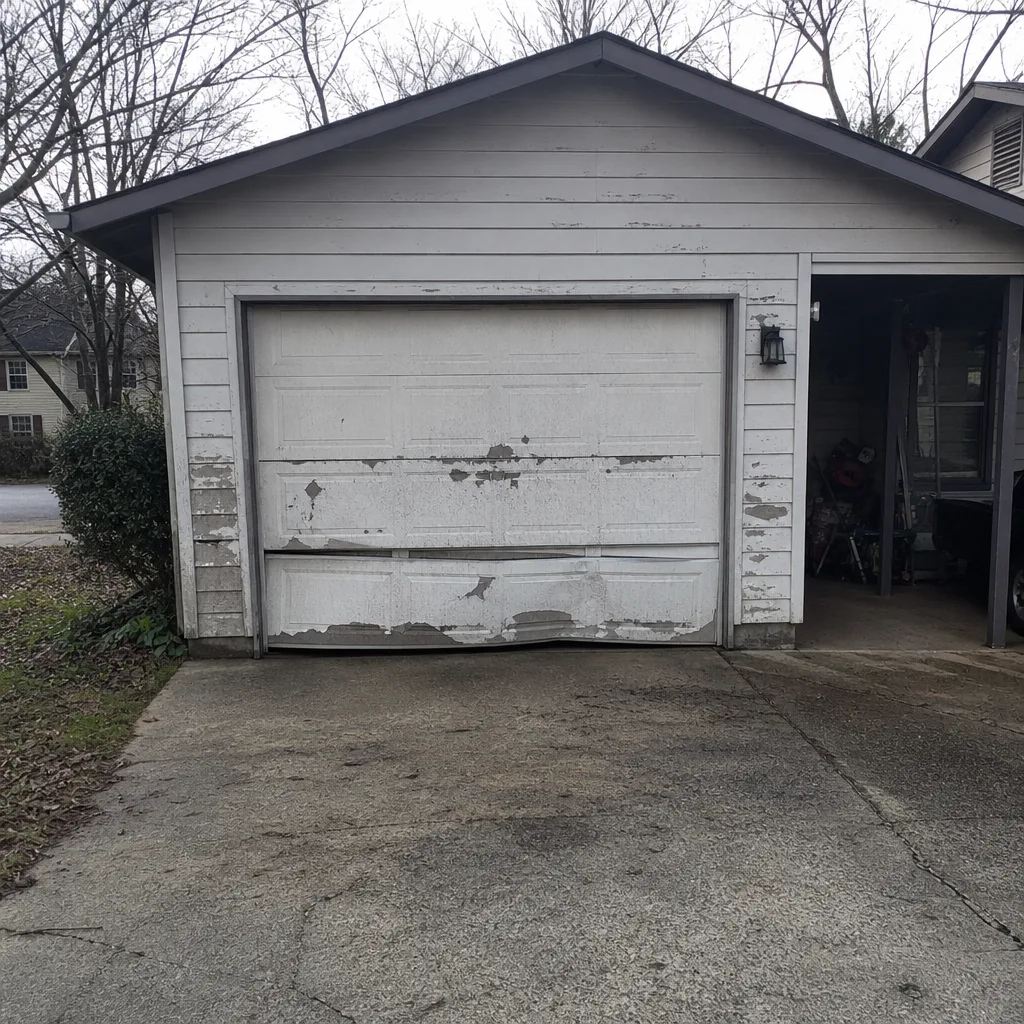 Before
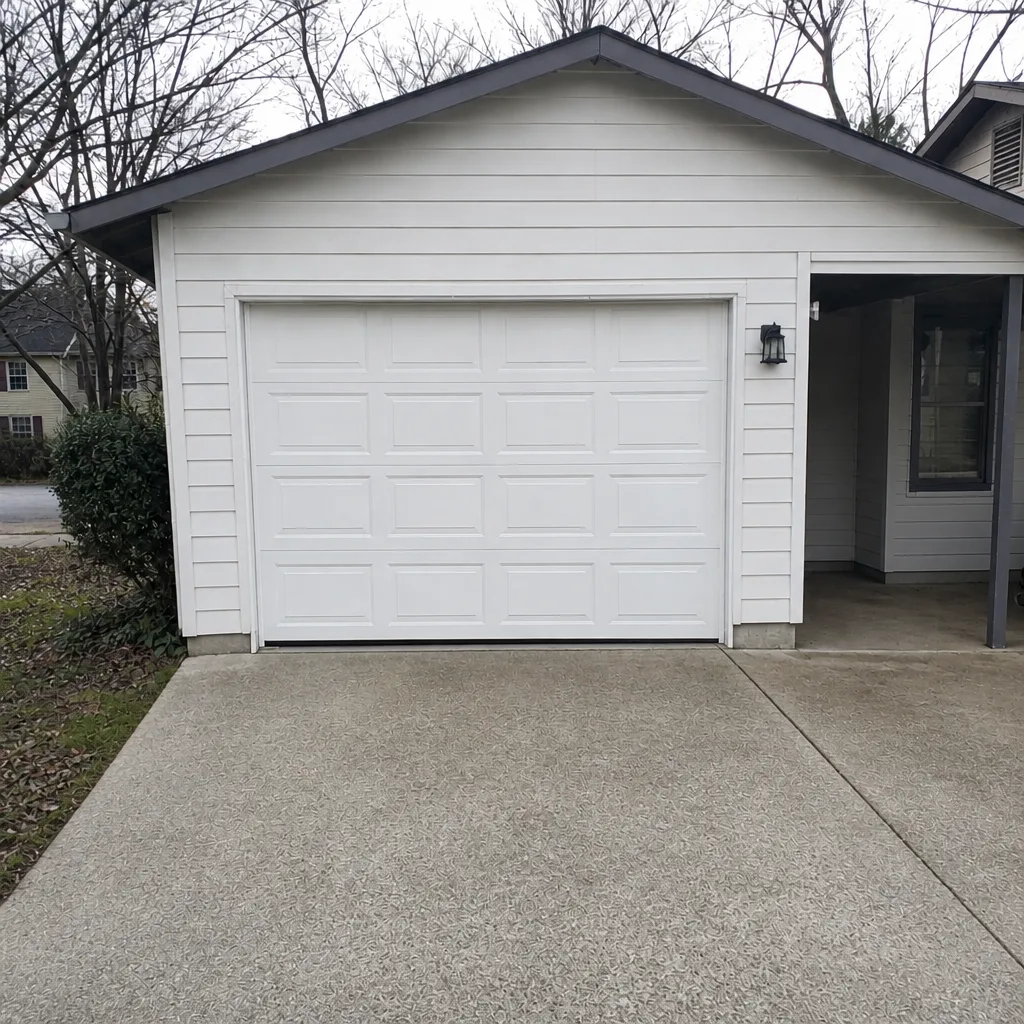 After
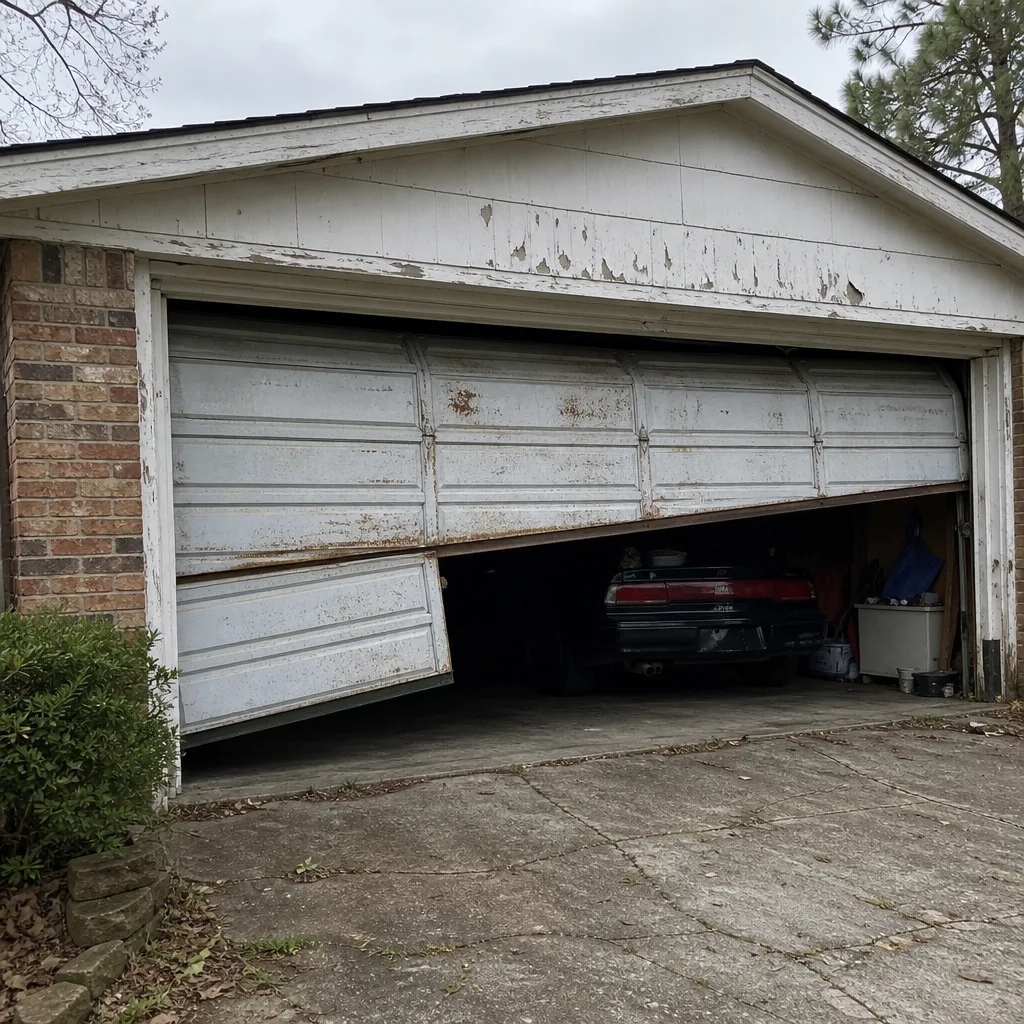 Before
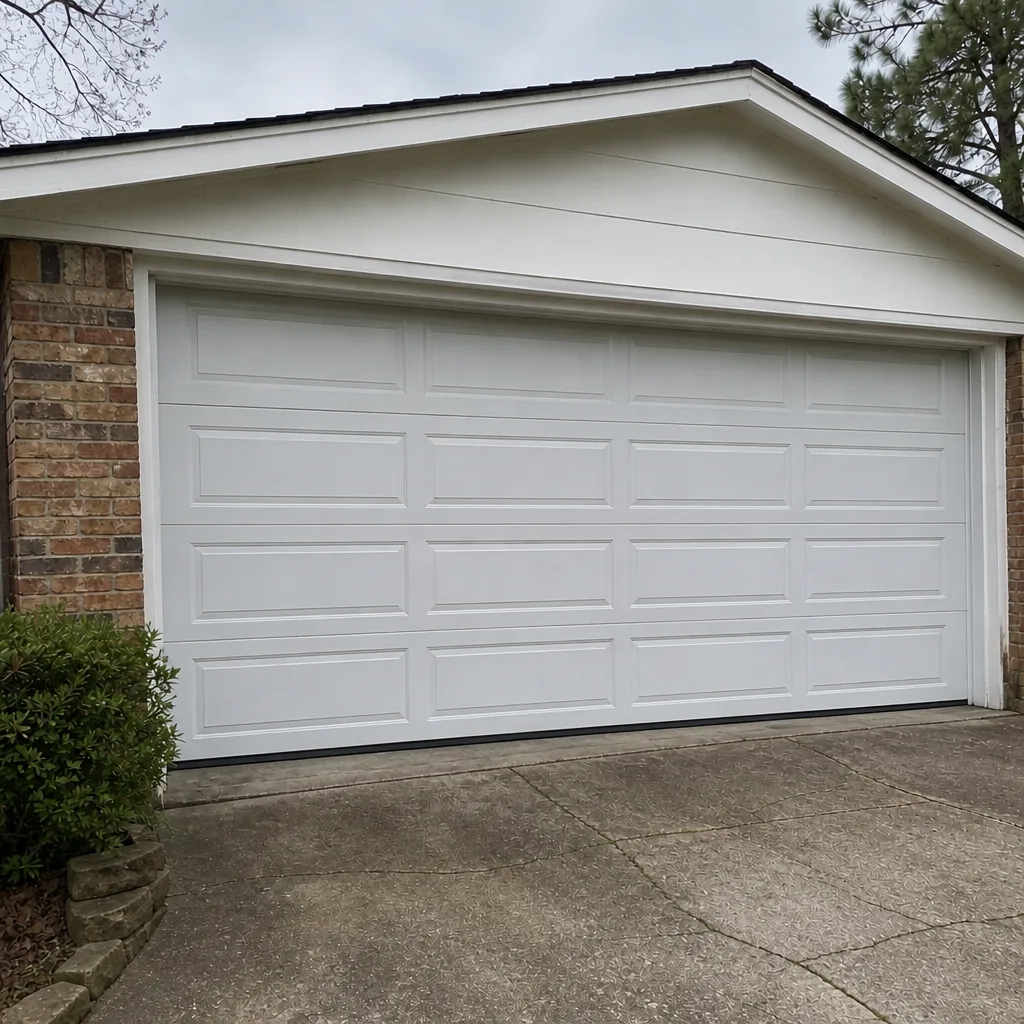 After
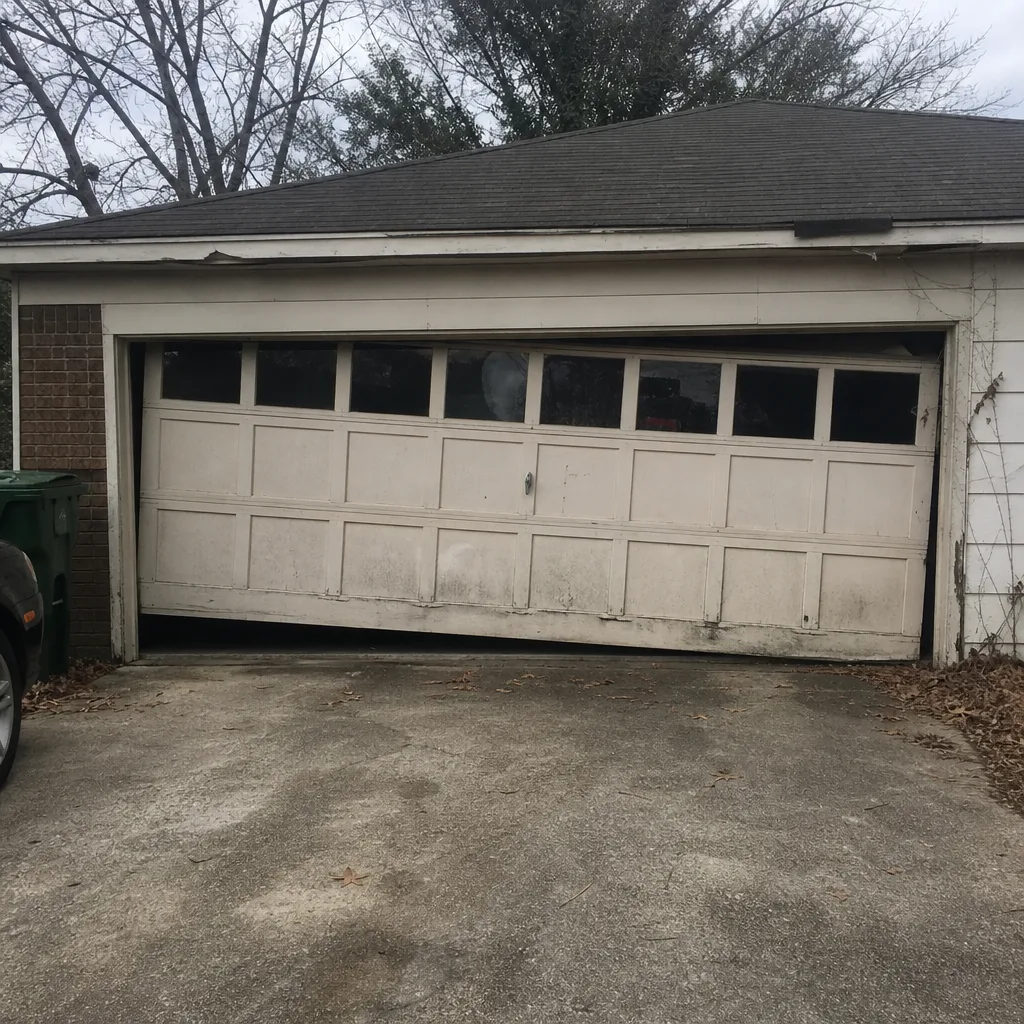 Before
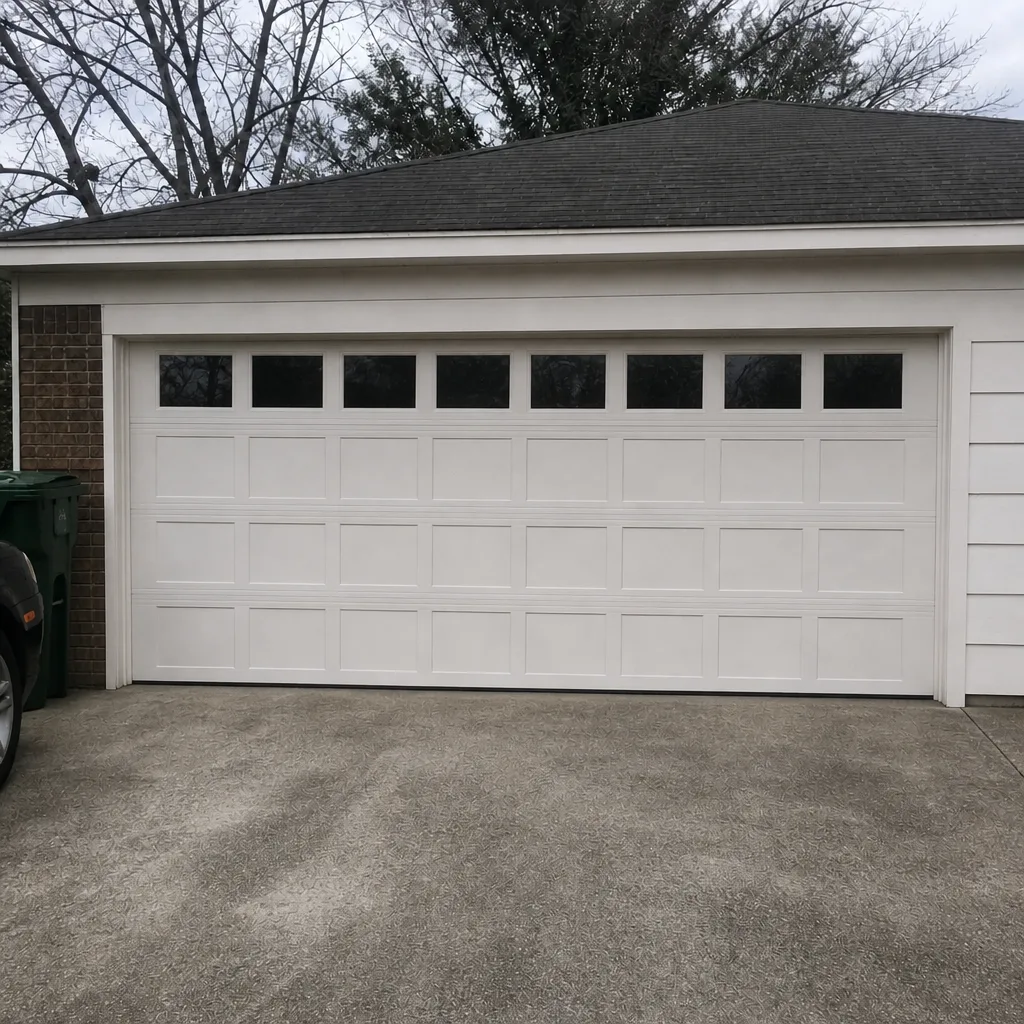 After
When to Call a Professional
Call for a technician when you see any of the stop-use signs: a frayed cable, a broken spring, a door that tilts when it closes, an opener that runs without moving the door, or a door that has left its track. Call for a scheduled appointment when the warning is smaller: a new grind or squeal, a rattle that’s getting louder, a worn bottom seal, or an opener that reverses intermittently with no obvious obstruction. Any torsion spring, cable, or track issue belongs to a trained technician. These parts store enough energy to injure badly, and that’s true even when the door is sitting quietly closed. Canton Garage Door Repair Experts offers free estimates in Canton – call (833) 304-2178. Our technicians have up to 10 years of experience, and we work on the brands most Canton homes actually have: LiftMaster, Chamberlain, Genie, Clopay, Amarr, Wayne Dalton, Craftsman, and Raynor. The written estimate sets the final price, and we agree it with you before any work starts. For the brands most of these doors run on, the Canton garage door repair experts handle both the repair and a brand-new installation when a door is past saving.
Frequently Asked Questions
The most common warning signs in Canton are grinding or squealing during travel, a door that reverses mid-cycle, visible cable fraying near the drum or bottom corner, rust bloom on the torsion spring, and a door that sits lower on one side when closing. These show up more often here than in cooler climates because the humidity and heat accelerate wear on springs, hinges, and rollers. If you see any of them, a free estimate is the quickest way to know what you’re facing. Call (833) 304-2178.
Grinding alone is usually not an emergency, but it shouldn’t wait long. A grind that’s been growing for a couple of weeks is often a failing roller bearing, and the door can still be used carefully while you schedule the repair. A grind that started suddenly and is loud enough to hear from inside the house is more urgent, especially if the door is moving unevenly. If the door is grinding and also tilting or reversing, stop using it and get it inspected. Call (833) 304-2178.
An uneven door is a cable problem, not a track problem. The lift cables pull both sides up at the same rate, so when one cable is stretching or slipping, that side lags and the door sits lower on one side. Adjusting the track won’t fix it, because the track isn’t what’s actually out of alignment. Stop operating the door and have a technician check the cables; a cable under load is one of the parts that can injure badly when it releases. The estimate is free, and the price is agreed before any work starts. Call (833) 304-2178.
Yes, for emergencies and routine repairs we can usually get a technician out the same day. Our dedicated emergency service is exactly for the situation where a door is stuck, off its track, or unsecured, and it’s a core part of what we do. We answer 24/7 and dispatch from 7am to 7pm, Sunday through Friday, and we’re closed Saturday. Call (833) 304-2178 and we’ll get your repair booked. If you call after dispatch hours, we’ll book you into the next opening.
No. The technician quotes the job and agrees it with you before any work starts, and the written estimate sets the final price. What we see on the first visit is what the price is based on, and we don’t add to it once the work begins. If a second problem turns up during the repair, we’ll tell you before we touch it so you can decide. Call (833) 304-2178 for a free estimate.
The local pro we connect you with is licensed and insured as their state requires, so the work is covered properly. Our technicians have up to 10 years of experience, and they know LiftMaster, Chamberlain, Genie, Clopay, Amarr, Wayne Dalton, Craftsman, and Raynor systems inside out. If you’re unsure what your door needs, call (833) 304-2178 and we’ll talk through it with no obligation. The estimate is free.
The Bottom Line
Garage door failures don’t come out of nowhere. Noise, tilt, cable fraying, rust on the spring, and odd opener behavior are the door telling you which part is failing and how much time you have. Match the sound to the part, check the visuals every couple of months, and take the stop-use signs seriously: a frayed cable, an uneven door, a broken spring, or a door that’s off its track. The difference between a small repair and a weekend emergency is whether you act at the squeal or the stuck-door stage. In Canton, humidity and builder-grade hardware shorten that timeline, so the same checks matter more here. If you’re not sure what you’re looking at, call Canton Garage Door Repair Experts at (833) 304-2178 for a free estimate. We answer 24/7, with fast dispatch from 7am to 7pm, Sunday through Friday.
Written by the team at Canton Garage Door Repair Experts.