
Last updated November 23, 2026
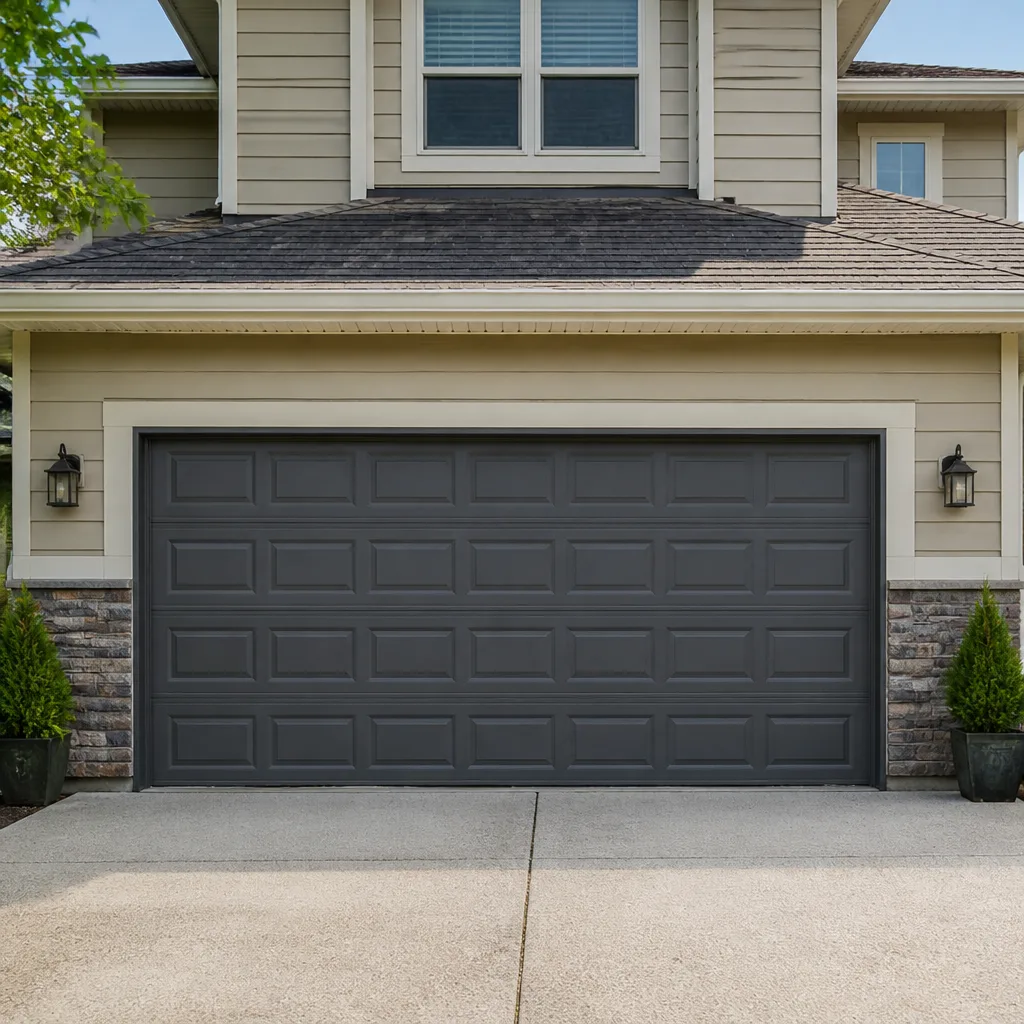 Raised-panel steel
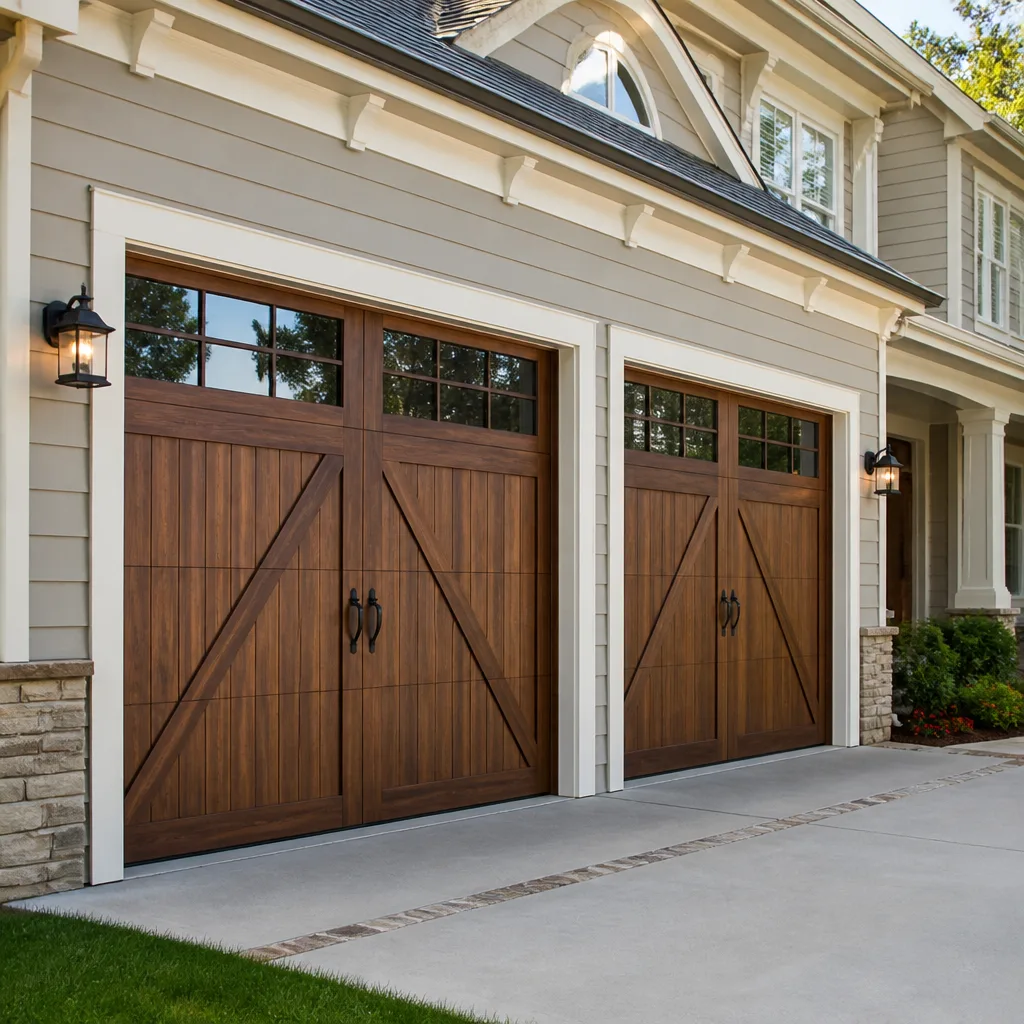 Carriage house
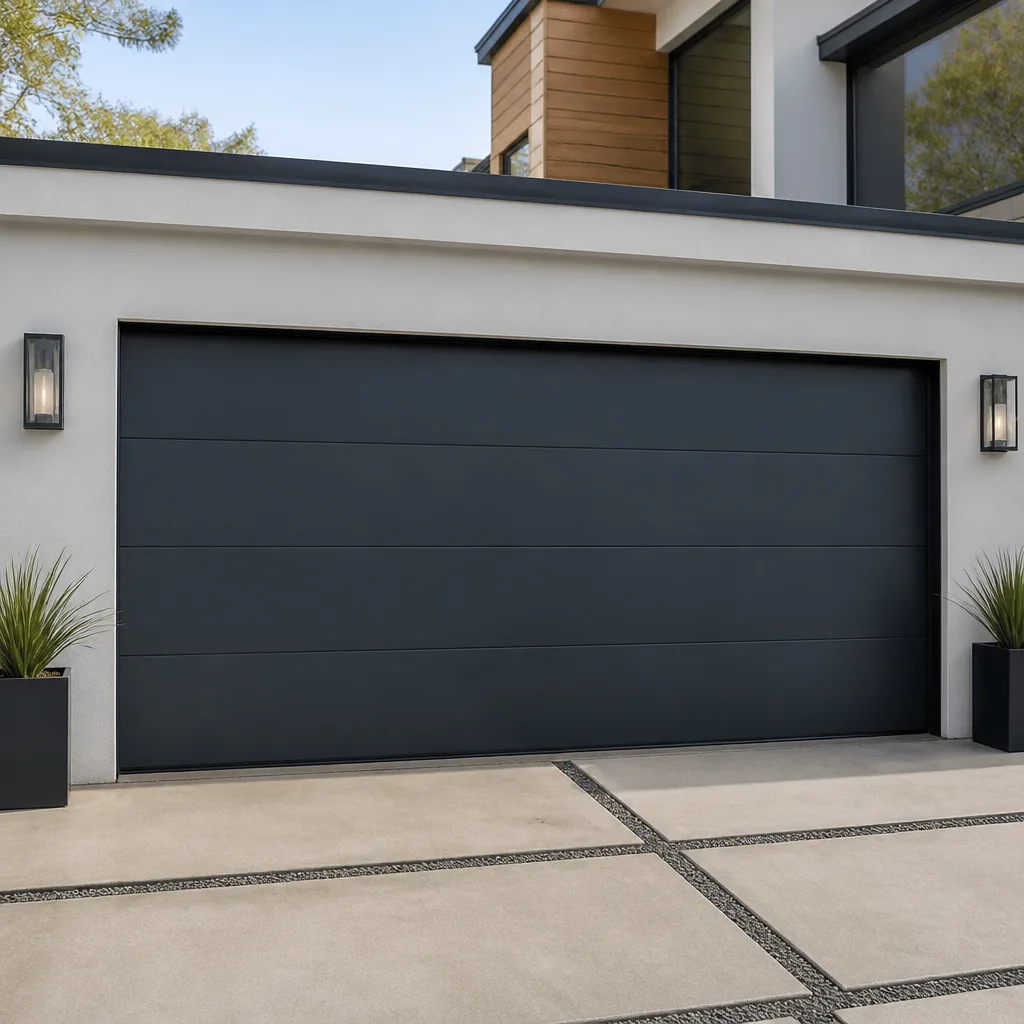 Modern flush
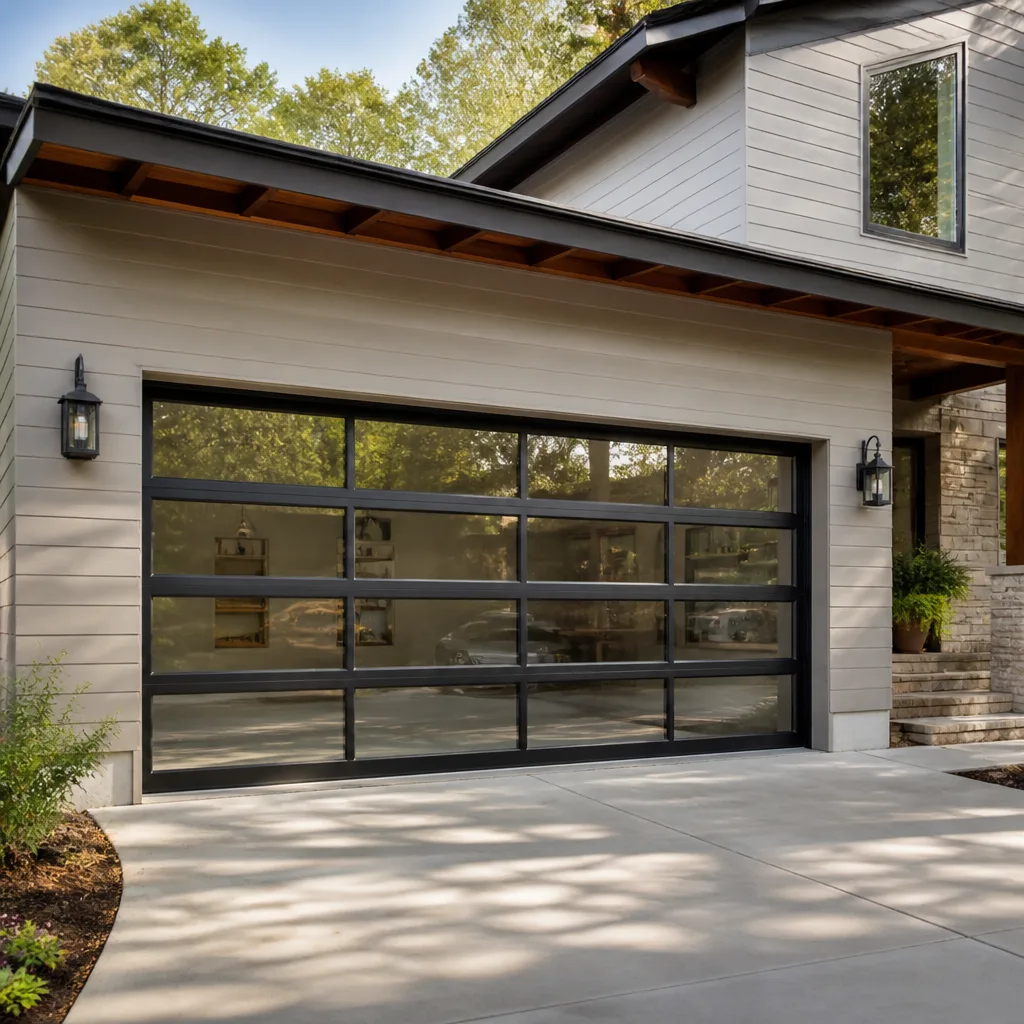 Full-view glass
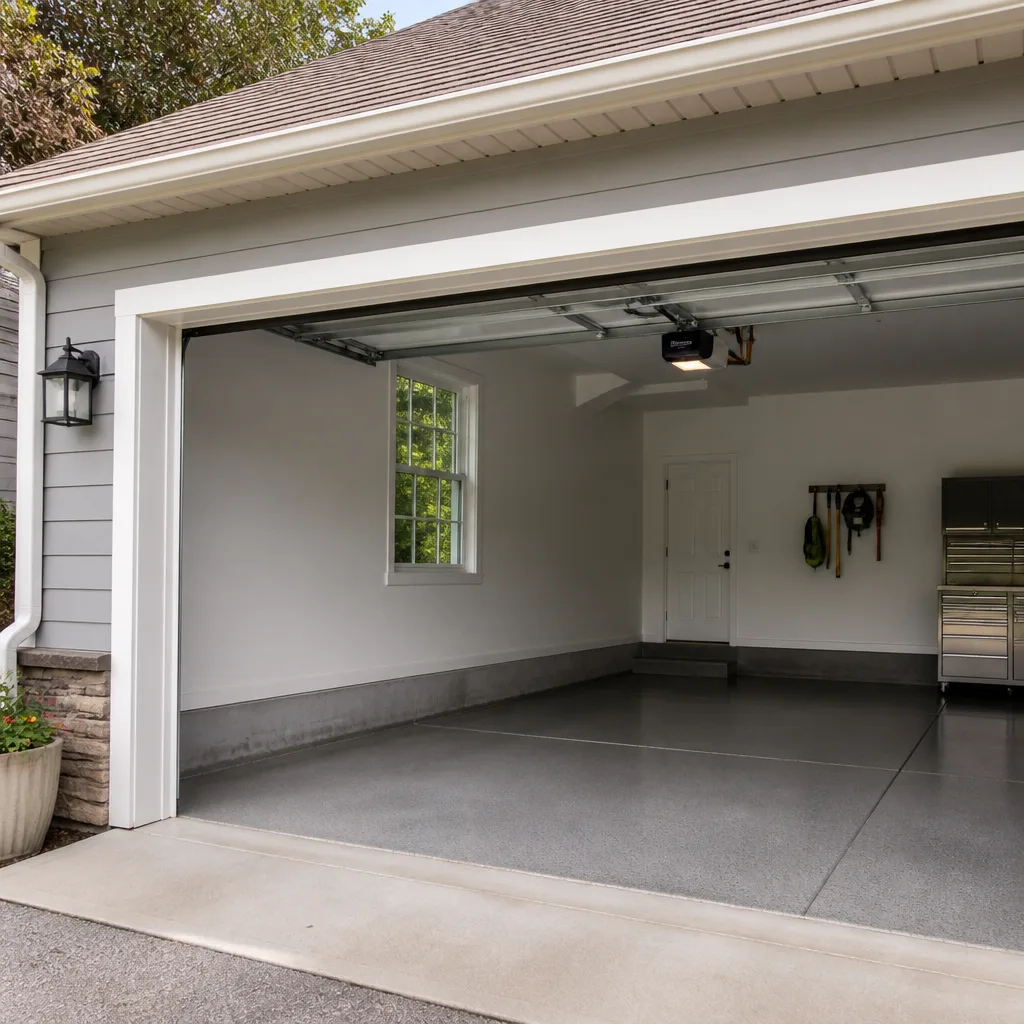 LiftMaster openers
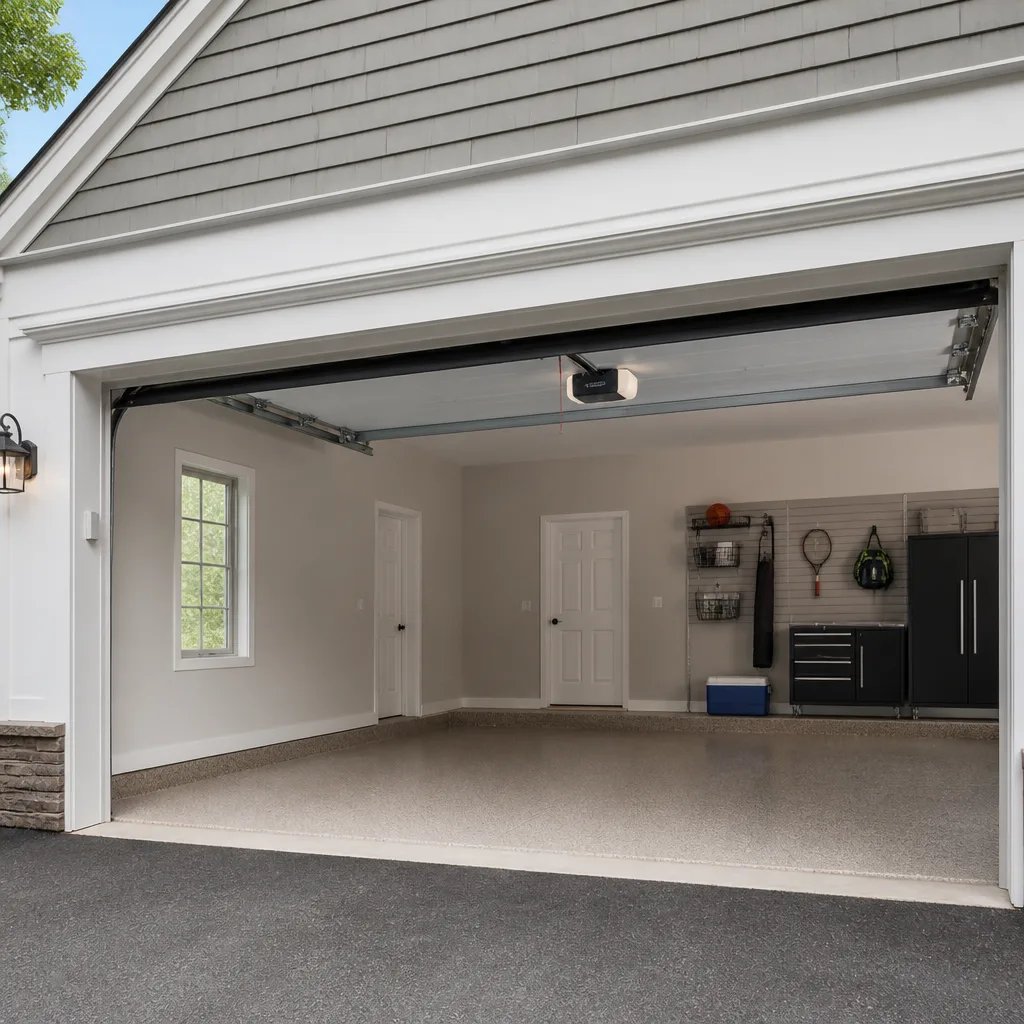 Chamberlain openers
Full 25-point door and opener safety check with every visit - springs, cables, rollers, tracks, and your LiftMaster or Chamberlain opener included
You get a price before we start. It does not change when the pro arrives.
Get your free estimateSeasonal Garage Door Care for Canton: Year-Round Homeowner’s Guide
Most homeowners treat garage door maintenance like an oil change: one annual appointment, a squirt of lubricant, and a clean conscience. In Canton, that approach misses three out of four seasons. Cherokee County doesn’t hand you a mild, steady climate. You get hard freezes that bond rubber seals to concrete, a spring pollen dump from oak and pine that packs track channels, July humidity that pushes past 80%, and fall temperature swings that quietly change how much tension your torsion springs carry. Each of those conditions stresses a different part of the same door. This guide walks through the year quarter by quarter, explains the mechanical reasoning behind each task, and shows you what to check before a problem turns into a snapped spring or a door that won’t close.
Quick Answer
Garage door care in Canton should follow the seasons: free the bottom seal and switch to cold-rated lubricant before the first freeze, deep-clean tracks during the spring pollen drop, check track gaps and panel alignment in summer heat, and re-evaluate spring balance and tension when fall temperatures fall. One annual tune-up won’t cover all four. A short seasonal routine at each changeover is what keeps a door on its tracks, and a trained technician should handle anything involving springs, cables, or the opener’s internal gearing.
Styles & brands we work with
- Raised-panel steel
- Carriage house
- Modern flush
- Full-view glass
- LiftMaster openers
- Chamberlain openers
Table of Contents
- Why One Annual Tune-Up Falls Short in Canton
- Winter: Frozen Seals, Stiff Grease, and Cold Steel
- Spring: Pollen, Track Friction, and the Fake Opener Failure
- Summer: Thermal Expansion and Track Gaps
- Fall: Spring Tension, Balance, and the Fall Check
- Before and After a Severe Thunderstorm or Ice Storm
- Canton Garage Door Maintenance Calendar
- Matching Care to Your Door and Opener
Why One Annual Tune-Up Falls Short in Canton
A garage door is a mechanical system with four points of friction (two hinges, two rollers per panel) and a counterweight (the springs) that expands and contracts with temperature. Every one of those components behaves differently at 20°F than it does at 95°F. Canton’s weather pushes the door through both extremes within a single year, which is why a task that matters in January is pointless in July and vice versa.
Consider what each season actually does to the door:
- Winter: Rubber seals harden and stick, grease thickens, and metal contracts slightly, which can make a door sound louder and strain the opener.
- Spring: Oak and pine pollen coat every lubricated surface, turning clean grease into grit that grinds rollers and drags the door.
- Summer: Steel panels expand in the heat, tracks can bow or pull out of alignment, and humidity swells wood jambs.
- Fall: As temperatures drop, torsion springs lose some of the tension they carried in summer heat, and the door goes out of balance.
The mechanical logic is simple: your door was balanced and adjusted at whatever temperature it was installed or last serviced. Weeks later, the springs and seals have changed their behavior without anyone touching them. A single appointment in, say, April leaves the door tuned for springtime and untuned for everything else. If you’re not sure what season the last service happened in, that’s your first clue it needs a check.
The good news: the repetitive seasonal tasks are homeowner-level checks. The dangerous parts – springs, cables, and the opener’s internal parts – belong to a trained technician every time. We’ve built this guide around that split.
Winter: Frozen Seals, Stiff Grease, and Cold Steel
Canton typically sees three to four hard freeze events each winter. Those are the mornings your garage door labors to open, groans, and maybe stalls halfway up. In most cases, the door isn’t broken – it’s cold. Rubber bottom seals harden and bond to the concrete floor overnight, so when the opener pulls up, it’s fighting the seal’s grip and the tension of the springs at once.
How to free a seal that’s bonded to the floor
The instinct is to yank. Don’t. A cold seal tears easily, and once it rips, you’re getting a new weatherstrip and water intrusion every storm. Instead:
- Disconnect the opener (pull the red emergency release handle) so you’re moving the door by hand.
- Lift the door slightly by hand – 6 inches at most – and listen. If it resists, don’t force it further.
- Run warm (not hot) water along the seal-to-floor contact line, or aim a warm hairdryer at the seal from 6-8 inches away for a minute or two.
- Gently rock the door up the rest of the way. Once it lifts, inspect the seal for cracking.
If the seal is already cracked or torn, it needs replacing. A cracked seal lets meltwater and cold air in, and it will bond harder the next freeze.
Cold-temperature lubrication
Standard white lithium grease thickens in the cold. Switch to a cold-rated silicone spray or a specifically cold-rated synthetic lubricant for rollers, hinges, and springs before the first freeze. Wipe old grease off first – spraying over it just thickens the paste. On a LiftMaster or Chamberlain opener, check the manual for the manufacturer’s recommended chain or belt lubricant, since belts typically need none at all.
What to leave to a technician
Cold weather is when torsion springs are most likely to break. If you hear a loud bang from the garage on a freezing morning and the door won’t lift, do not force it. A broken spring means the door’s full weight is hanging on the opener and cables. That’s an emergency call, and it’s the reason we list garage door spring repair as its own line of work rather than a footnote. Never try to adjust spring tension yourself. The stored energy in a wound torsion spring can cause serious injury if it releases unexpectedly.
Spring: Pollen, Track Friction, and the Fake Opener Failure
Canton’s oak and pine trees coat everything in yellow and green grit through spring. Most of it lands on horizontal surfaces – and garage door tracks are horizontal channels that only open vertically. Pollen sticks to the lubricant on rollers and hinges, turns to a paste, and packs into the corners of the track where the rollers ride.
The result is friction. The door drags. The opener strains. Homeowners hear grinding and conclude the opener is failing, so they call for a repair on a unit that’s actually fine. In our experience, a meaningful share of springtime opener calls end with a track cleaning and new rollers instead of a motor replacement.
The spring cleaning protocol, in order
- Disconnect the opener at the emergency release so the door moves by hand.
- Vacuum loose pollen out of the tracks using a shop vac with a narrow nozzle.
- Wipe the inside of each track with a damp cloth, then dry it thoroughly with a rag.
- Remove the rollers or at least inspect their stems – pollen cakes around the stem where it meets the hinge.
- Re-lubricate rollers, hinges, and springs with silicone spray or white lithium. Keep tracks themselves dry – track surfaces should not be greased, because grease traps pollen.
- Check that the door opens and closes smoothly by hand before reconnecting the opener.
If the door still runs rough by hand after cleaning, the problem isn’t the opener. Look at roller bearings, hinge wear, or a bent track. A Craftsman or Raynor opener that resets itself occasionally during pollen season is usually a strain issue, not a control board issue. If a reset doesn’t clear it, it’s worth getting garage door opener repair before the motor burns out in summer.
Summer: Thermal Expansion and Track Gaps
July in Canton pushes humidity past 80% and temperatures into the mid-90s. Steel and aluminum door panels expand in that heat – typically a fraction of an inch, but enough to matter when clearances are tight. As panels expand, the tracks can bow outward or the vertical tracks can pull away from the jamb. Wood garage door frames swell too, and that can clamp a track tighter than it should be.
Setting a correct track gap
Rollers should ride with a small amount of play in the track. A properly adjusted track has roughly 1/2 inch of side-to-side clearance between the roller and the track interior on most residential doors – enough that the roller can shift slightly but not enough that it can jump the track.
What a heat-warped track looks like by comparison:
- Correct: Track is straight, vertical, and parallel to the door’s vertical rails. Rollers sit centered in the channel.
- Heat-bowed: Track visibly curves away from the door at the middle panel. You can see daylight under the roller at the top and bottom, but not at the center.
- Loose bracket: Track wiggles by hand at the top or bottom bracket. That’s a lag screw pulling out of the jamb, and it gets worse in dry heat.
Minor track bending can be corrected by a technician with a rubber mallet and a straightedge. Significant bowing that follows temperature change means a new track. Don’t force a track back into place yourself – the door is under spring tension, and a slipped track can drop the door off its rails.
Humidity and door hardware
Steel doors handle humidity well as long as they’re painted or factory finished. Wood doors and frames take more attention. Check the bottom six inches of a wood jamb for swelling, and check that the weatherstrip still touches the door. If it’s gaping in summer and tight in winter, your weatherstrip is either the wrong size or has lost its shape. That’s a two-minute fix that saves a fair amount of water trouble in the next rainy spell.
Fall: Spring Tension, Balance, and the Fall Check
Fall is where careful homeowners get ahead of the problem – and where the annual tune-up crowd misses the most important check of the year. As outside temperatures drop, torsion springs lose a portion of their carrying capacity. Doors that were perfectly balanced in July go heavy in November. It’s not a failure yet. It’s a drift, and the drift accelerates.
How to check your door’s balance
This check tells you whether the springs are still doing their job. All you need is a door that’s near mid-height and a hand that isn’t under the door:
- Disconnect the opener at the emergency release.
- Byt hand, lift the door to roughly waist height, halfway through its travel.
- Let go of the door without moving it. It should hold in place.
- Lower it to knee height the same way and release. It should hold there too.
- If the door drops, rises, or drifts open on its own at any point, the springs have drifted out of balance and need a technician to re-evaluate.
Sagging on one side only usually means one spring has lost more tension than the other – common when a matched pair wasn’t installed together. A two-spring door should have both springs replaced as a set when one fails, or you’ll be repeating the job within a year.
What else to check before winter
- Bottom seal still flexible and touching the floor along its full width.
- Photo-eye sensors lined up and clean – test by waving an object through the beam while the door closes.
- Door finish intact. Bare metal spots on steel panels will rust over winter.
- Manual release test: pull it, verify the door disconnects, push it back in until it clicks.
- Allergy season cleanup – clear leaves and acorns from the door’s sweep path, especially behind the door.
If the balance check shows your springs are drifting, don’t wait until the door breaks. Our garage door repair team can evaluate and replace them in one visit. Springs are not a do-it-yourself part; the stored energy in a wound spring makes them the most dangerous component on the entire door.
Before and After a Severe Thunderstorm or Ice Storm
Canton weather doesn’t just run warm and cold – it runs violent. Thunderstorms bring driving rain and wind, and ice storms leave branches and power lines down. Your garage door is the largest opening in your house, so it takes the brunt of both.
Before a severe weather warning
- Close the door completely and confirm the bottom seal is pressed against the floor.
- Unplug the opener only if lightning is likely and the garage is at risk of flooding – unplugging is otherwise unnecessary.
- Clear anything on the floor near the door’s path. Wind-blown debris that lands behind the door can jam it.
- Test that the door closes all the way. A door that stops short will funnel wind and rain into the garage.
After the storm
- Before you hit the opener, inspect the door by hand. Look for a fallen branch on the door top, a bent track, or debris against the bottom seal.
- Test the balance check from the fall section before running the opener. A jammed door plus a strained opener is a fast path to a burnt-out motor.
- Check the photo-eye alignment – storm wind can nudge a bracket or knock the sensor off its mount.
- If the garage flooded, let the opener dry for 24-48 hours before plugging it back in, and have it inspected if it took water.
Ice storms are harder on the door’s trim and seal than on the panel itself. Ice buildup under the seal can crack it, and ice in the track can bind a roller. If your door won’t close after an ice storm, don’t force it. If the door or track is visibly damaged, call us for an emergency inspection. We answer 24/7. Fast dispatch from 7am to 7pm, Sunday through Friday. A door that’s stuck open overnight is a different problem than a door that’s stuck closed, and we treat both with the urgency they deserve.
Canton Garage Door Maintenance Calendar
Here’s the full year, condensed into a routine a homeowner can actually keep up with. Do the homeowner-level tasks yourself and call for the technician-level ones at the season change.
| Season | Homeowner tasks | When to call a pro |
|---|---|---|
| Winter (Dec-Feb) | Switch to cold-rated lube in late November. Free bottom seal with warm water or hairdryer and lift door by hand. Keep track dry. | Loud bang, door won’t lift, springs broken, or strain on opener. |
| Spring (Mar-May) | Vacuum tracks, wipe clean, re-lube rollers and hinges. Test door by hand for rough operation. | Door still struggles by hand – rollers, track, or opener issue. |
| Summer (Jun-Aug) | Inspect track straightness and clearance. Check weatherstrip contact. Look at wood jamb swelling. | Track visibly bowed, loose bracket, or door scraping. |
| Fall (Sep-Nov) | Balance check at half-height by hand. Clear the door’s sweep path. Test photo-eye sensors. | Door drifts open or drops when released. One side sags. |
| After any storm | Inspect for debris, bent tracks, ice in tracks. Re-check balance. | Door won’t close, track damage, or opener not responding. |
That’s roughly twenty minutes of homeowner work four times a year. In return you get a door that isn’t trying to tear itself apart every morning – and much less chance of a spring breaking in January or an opener failing in July, both of which tend to happen at the worst possible moment.
Matching Care to Your Door and Opener
Not every door and opener takes the same lubricant, the same track clearance, or the same diagnostic approach. The major brands each have their quirks, and it pays to know what your system actually needs before you start.
We’re certified to work on eight of the most widely installed garage door and opener brands on the market: LiftMaster, Chamberlain, Genie, Clopay, Amarr, Wayne Dalton, Craftsman, and Raynor. That means when we show up on a Canton job, we’re not reading the manual for the first time. Here’s what homeowners should know about a few of the common ones:
- LiftMaster and Chamberlain – often the same opener under two names. Belt-drive models need little to no lubrication on the belt. Cold-weather adjustment of the force and travel limits is done from the opener’s control panel, not the remote itself.
- Craftsman – common in older Canton homes. Chain-drive models like clean, cold-rated chain lube, and their safety-reverse test needs to be checked every season, since the mechanical adjustment drifts with heat.
- Genie – many units use a screw-drive mechanism, which needs a specific screw-drive lubricant rather than a general-purpose spray. Using the wrong lube here can cause screw wear.
- Raynor – doors and openers. Raynor commercial-grade doors handle humidity well but benefit from the balance check even more, because their heavier construction puts more load on the springs.
If you’re not sure what’s installed on your door, a photo of the opener’s label and the door’s panels is all we need to identify it. That prevents the most common wasted trip: a homeowner buying the wrong lubricant or opener part because the brand wasn’t checked first. And when a repair turns out to be a full replacement – a warped door, a motor that’s genuinely worn out – we handle the whole lifecycle. Garage door repair and installation, opener work, and spring work all fall to the same team, so you’re not shopping around when a door gets condemned. If you’re starting fresh, our Canton Garage Door Repair Experts page covers the full scope of what we take on.
Common Mistakes to Avoid
- Treating one annual tune-up as a full maintenance plan. Canton’s climate moves the goalposts four times a year. A tune-up in April is fine for spring, but it doesn’t prep the door for a January freeze or a July heat wave. Seasonal checks matter more than one big appointment.
- Squirting grease on the tracks. Grease on the tracks collects pollen in spring and dirt in summer. Then the rollers grind. Tracks should be wiped clean and dry; the lubricant goes on the rollers, hinges, and springs, not the track surface.
- Using standard lithium grease in winter. It thickens and drags in cold, making the door feel heavier than it is. Switch to a cold-rated silicone or synthetic lubricant before the first freeze.
- Forcing a bonded bottom seal up. Cold seals tear easily. Warm the seal first, or you’ll replace weatherstrip every winter, not just this one.
- Blaming the opener for track friction. A door that grinds or struggles in spring is usually fighting pollen-packed tracks and dirty rollers. Cleaning and re-lubing often saves a motor replacement – and sometimes uncovers a roller problem that was the real issue.
- Ignoring the fall balance check. A door that drifts open has a spring about to fail. If your balance check confirms drift on one side, don’t wait until winter. Of all the seasonal tasks, this is the one with the highest consequence if ignored.
- Trying to adjust or replace torsion springs yourself. The stored energy in a wound spring can cause serious injury if it releases unexpectedly. There is no homeowner-level version of this job. Call for a technician.
See the difference
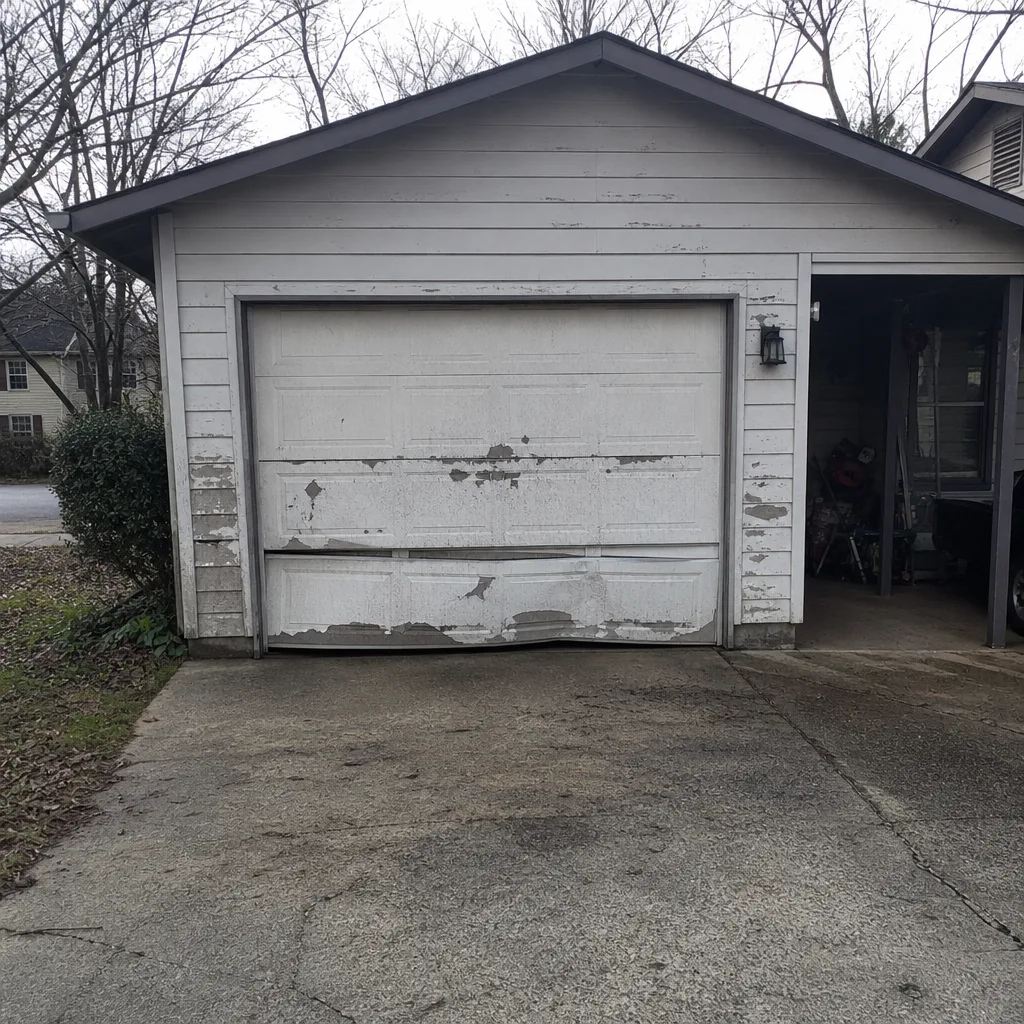 Before
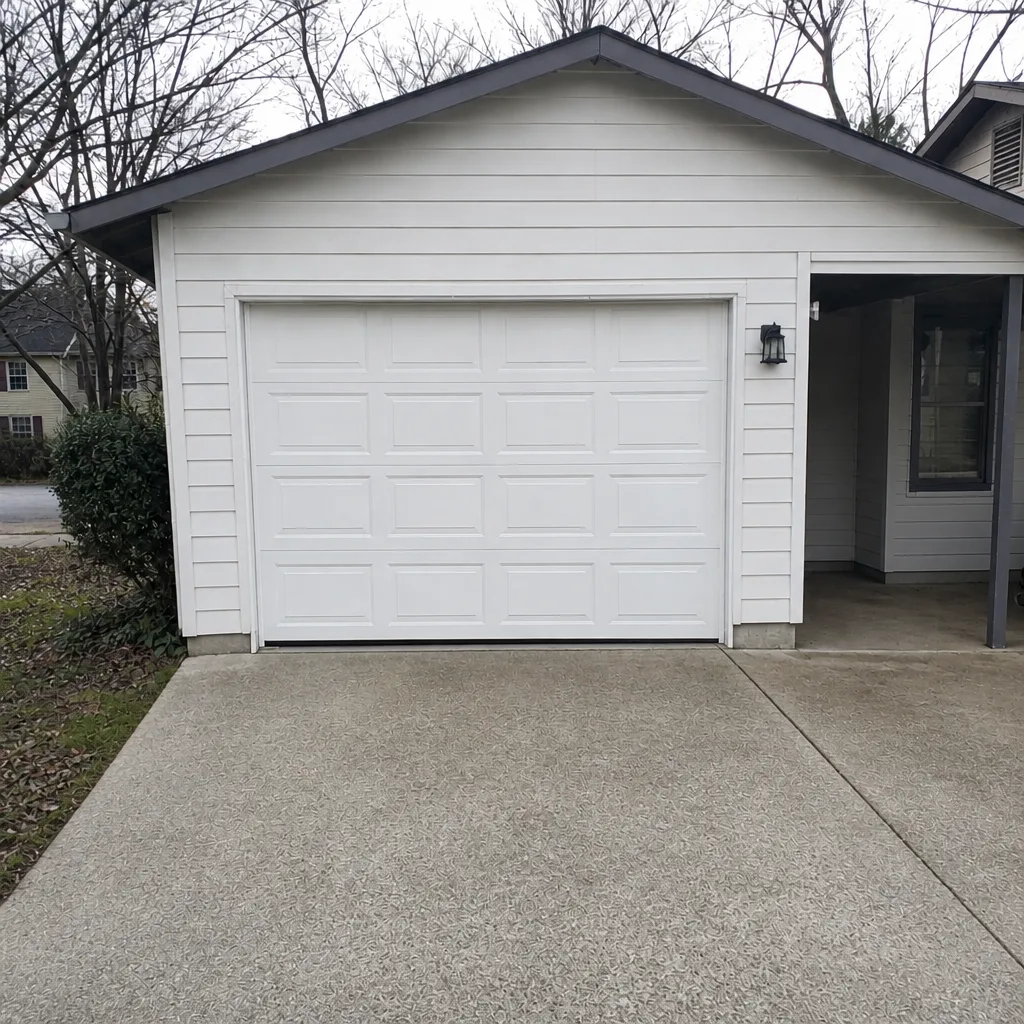 After
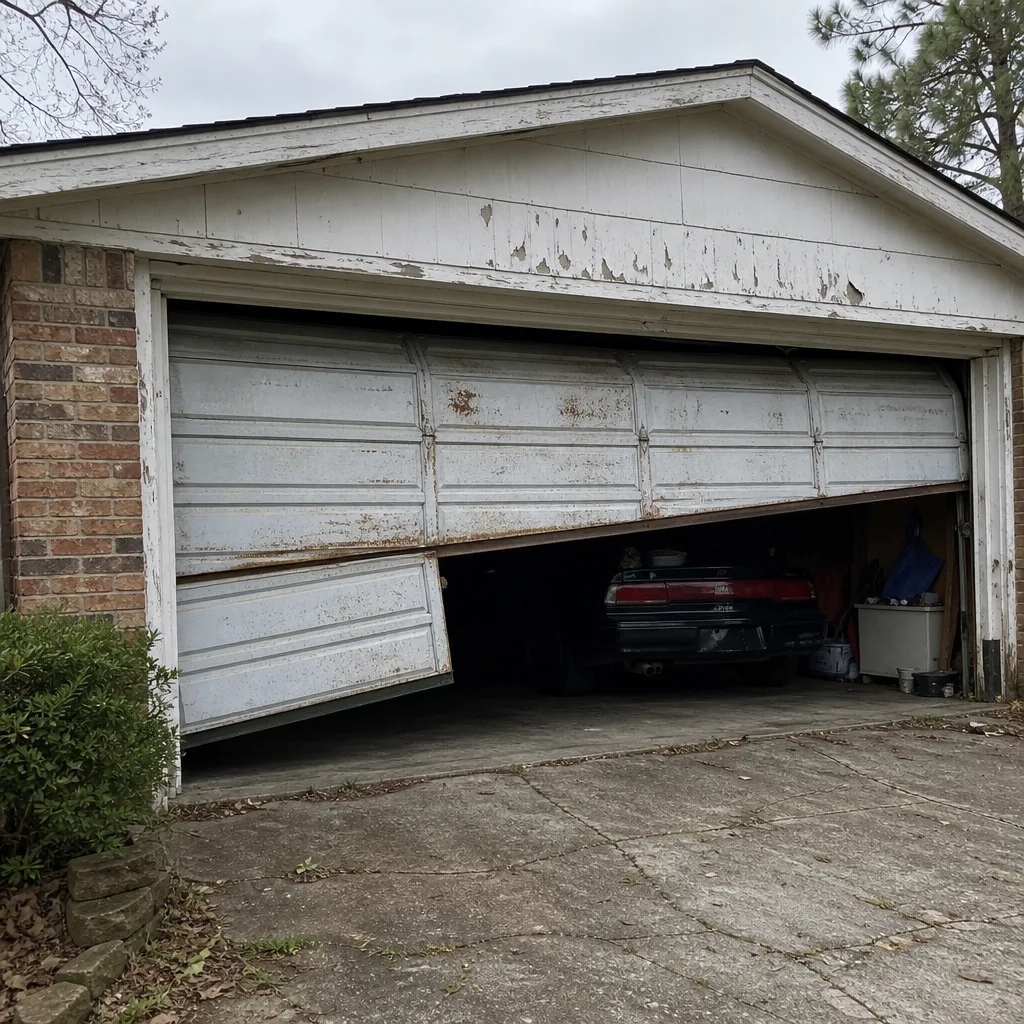 Before
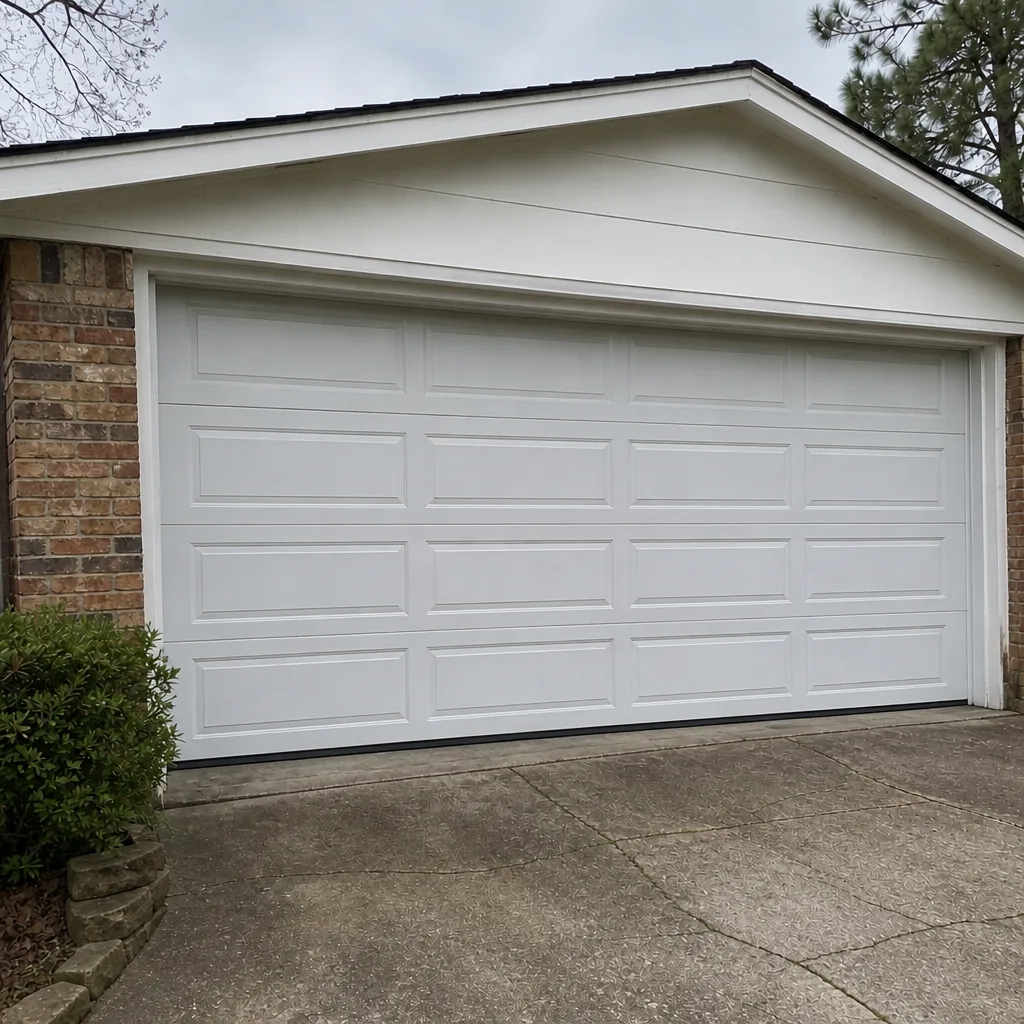 After
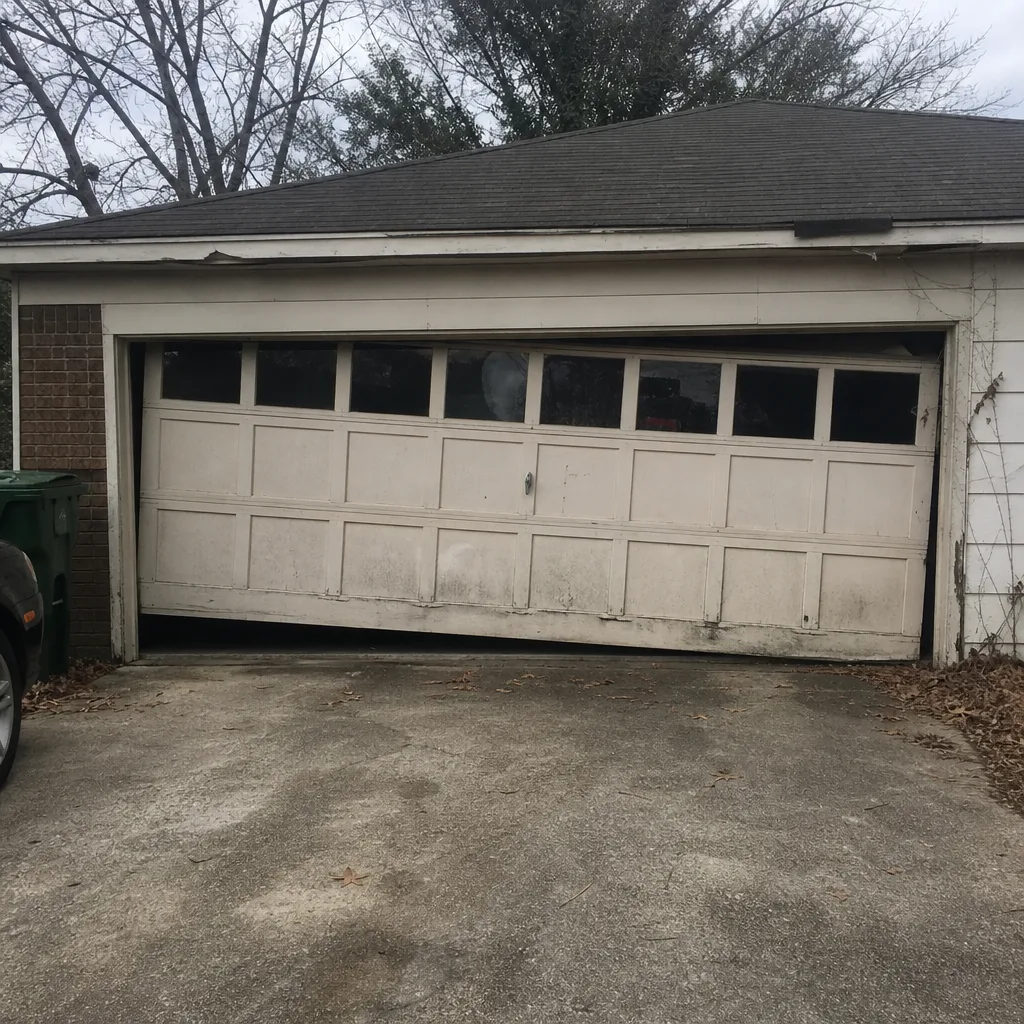 Before
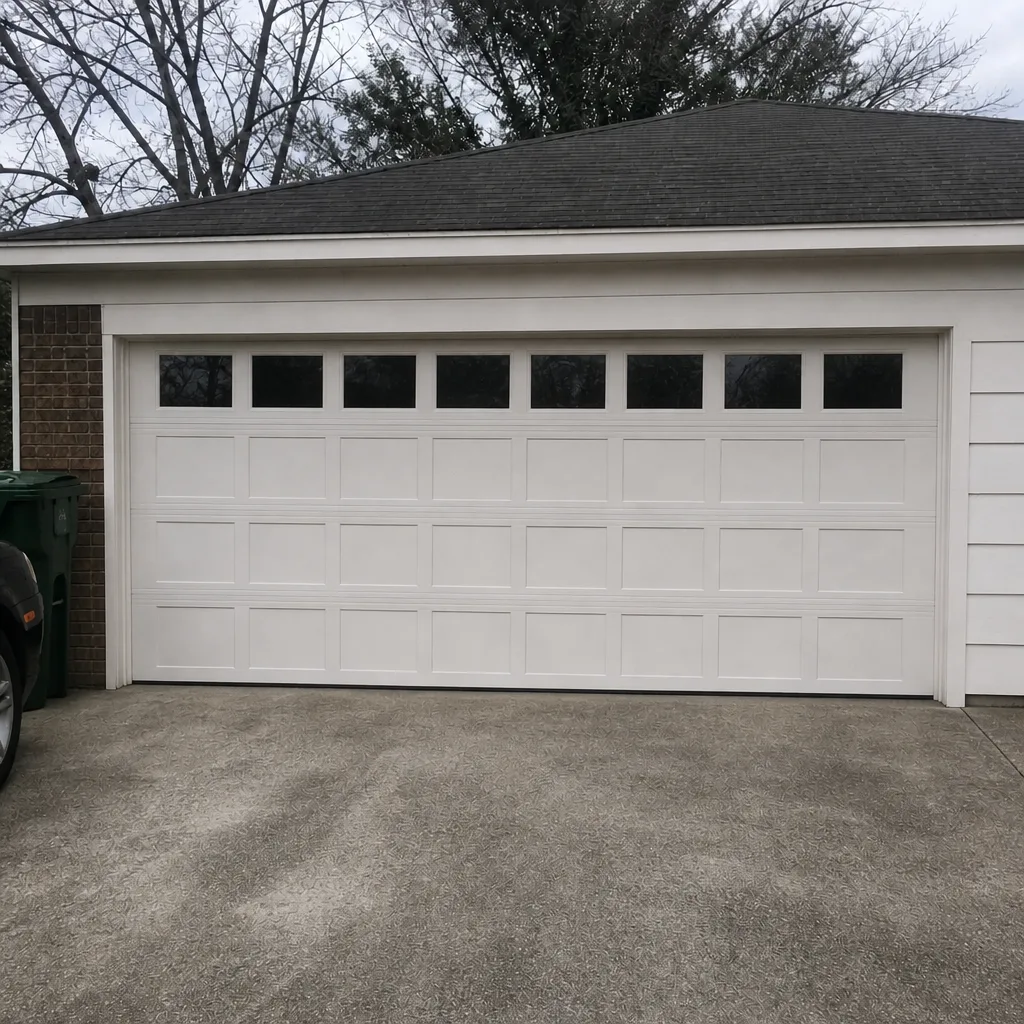 After
When to Call a Professional
Call us for anything involving springs, cables, the opener’s internal parts, or a door that’s come off its track. Also call if you hear a bang from the garage and the door won’t lift, if the door hangs at an angle, if the opener stops responding to the remote but responds to the wall button, or if your balance check shows drift. These are the signs that a seasonal check has become an actual repair – and the seasonal habit of checking is what catches most of them early. If you’re in Canton and want a second opinion on your door’s condition, Canton Garage Door Repair Experts offers free estimates in Canton – call (833) 304-2178. We work on your brand: LiftMaster, Chamberlain, Genie, Craftsman, Raynor, Clopay, Amarr, and Wayne Dalton. Our technicians have up to 10 years of experience, and the written estimate sets the final price on every job.
Frequently Asked Questions
A seasonal check four times a year is the right cadence for Canton, with a professional service visit once a year at minimum. The homeowner tasks – freeing the seal, cleaning tracks, testing balance – can be done at each season change. A technician should inspect springs, cables, rollers, and opener diagnostics annually, ideally in late fall before the first freeze events.
Cold mornings cause two problems at once: the rubber bottom seal hardens and bonds to the concrete, and the springs carry less capacity in cold. Disconnect the opener, warm the seal, and lift by hand to see whether the door is genuinely heavy or just stuck to the floor. If it’s still heavy after freeing the seal, the springs need a technician’s check.
Usually not. In Canton’s pollen season, track friction from accumulated oak and pine pollen mimics opener failure. Clean the tracks, wipe the rollers, and re-lube before assuming the opener is the problem. If the door still runs rough by hand after cleaning, get garage door opener repair and have a technician diagnose the opener itself.
No. Spring adjustment is a technician-only job. The stored energy in a wound torsion spring can cause severe injury if it releases unexpectedly, and there’s no safe homeowner version of the procedure. If a balance check shows the door drifting, call for spring service.
Close the door fully, clear the sweep path of debris, and make sure the seal is pressed against the floor. After the storm, inspect for debris, bent tracks, and ice buildup before running the opener. If the door won’t close or the track is damaged, call for an emergency inspection.
Yes – we’re certified across eight of the most widely installed brands: LiftMaster, Chamberlain, Genie, Clopay, Amarr, Wayne Dalton, Craftsman, and Raynor. That covers opener repair, spring repair, and full installation on those systems. Call (833) 304-2178. We answer 24/7. Fast dispatch from 7am to 7pm, Sunday through Friday. Estimates are free.
The Bottom Line
Treat your garage door like a seasonal system, not an annual one. In Canton that means prepping seals and lubricant for winter, cleaning tracks after the spring pollen dump, checking track gaps and humidity strain in summer, and re-balancing in fall before the cold hardens the springs. Do the four homeowner checks yourself. Call a technician for springs, cables, openers, and anything that wants to come off its tracks. The door that gets checked every season is the door that lasts. And if something’s already gone wrong, call Canton Garage Door Repair Experts at (833) 304-2178 for a free estimate. We answer 24/7. Fast dispatch from 7am to 7pm, Sunday through Friday. We work on your brand, and the written estimate sets the final price before any work starts.
Written by the team at Canton Garage Door Repair Experts.